Yes, You Bake Strawberry Cheesecake: A Complete Guide
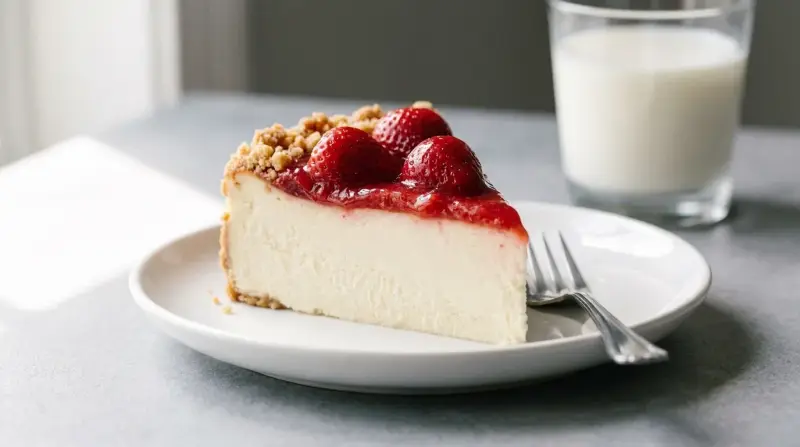
Yes, traditional strawberry cheesecake is baked; the crust is baked to set, and the cream cheese filling, which includes eggs, is cooked in the oven until it is just firm, then chilled, while some no‑bake versions exist that rely on gelatin or other stabilizers instead.
How Baking Works for Strawberry Cheesecake
When you bake a strawberry cheesecake, the process begins with a crumb crust, usually made from crushed graham crackers or Biscoff biscuits mixed with melted butter. The crust is pressed into a springform pan and baked at 325°F (163°C) for about 8‑10 minutes; this short bake dries the crumbs so they hold together without becoming soggy.
The filling combines softened cream cheese, sugar, eggs, a touch of flour or cornstarch, and often a splash of lemon juice for brightness. Because the eggs are heated, they coagulate and give the cheesecake its structure. The batter is poured over the warm crust and baked at a low temperature, typically 300‑325°F (149‑163°C), for 45‑55 minutes. The edges should be set and lightly golden, while the center remains slightly jiggly—like a soft custard. This gentle heat prevents the protein network from tightening too quickly, which would create a dense, chalky texture.
After the oven, the cheesecake cools gradually in the pan. A slow temperature drop reduces the risk of cracking caused by sudden contraction. Once it reaches room temperature, it is refrigerated for at least four hours, allowing the filling to fully set and the strawberry topping to meld with the base. For a visual example of a baked strawberry cheesecake, see our Strawberry Cheesecake Biscoff: American Cream Dessert recipe.
Common Belief: All Cheesecakes Must Be Baked
Many home cooks assume that every cheesecake, including strawberry, requires the oven because classic New York‑style cheesecake is always baked. That belief is partially true: the traditional style does need baking to achieve its firm yet creamy texture. However, a large segment of recipes skips the oven entirely, using gelatin or whipped cream to set the filling. These no‑bake versions are safe to eat when the gelatin reaches the recommended melt temperature of 165°F (74°C) and the mixture is chilled long enough to solidify. The key difference is texture—baked cheesecakes are denser and have a custard‑like mouthfeel, while no‑bake cheesecakes are lighter and mousse‑like. Both are valid, but they are not interchangeable if the recipe calls for a specific method.
Step‑by‑Step Baking Process
- Prepare the crust. Pulse 1½ cups of graham crackers or Biscoff cookies in a food processor until fine. Mix with 5 tablespoons melted butter and 2 tablespoons sugar. Press the mixture into the bottom of a 9‑inch springform pan. Bake at 325°F (163°C) for 8‑10 minutes, then let cool while you make the filling.
- Make the filling. Beat 24 ounces (680 g) softened cream cheese with an electric mixer on low until smooth, about 2 minutes. Gradually add 1 cup (200 g) superfine sugar, then 2 tablespoons flour. Increase speed to medium and blend in 2 large eggs, one at a time, making sure each is fully incorporated before adding the next. Stir in 1 teaspoon vanilla extract, the zest of one lemon, and ½ cup sour cream.
- Incorporate strawberries. Fold in 1 cup (150 g) diced fresh strawberries and ½ cup strawberry puree (blend fresh berries, then strain). The puree adds flavor without over‑watering the batter.
- Bake the cheesecake. Reduce oven temperature to 300°F (149°C). Place the springform pan on the middle rack and bake for 45‑55 minutes. The outer edges should be firm and lightly golden; the center should wobble like gelatin when the pan is gently shaken.
- Cool gradually. Turn off the oven, crack the door open, and let the cheesecake sit for 1 hour. This slow cooling prevents cracks caused by rapid temperature change.
- Refrigerate. Cover the pan with plastic wrap and chill for at least 4 hours, preferably overnight. Chilling completes the setting process and allows the strawberry flavor to deepen.
- Prepare the strawberry topping (optional). Toss sliced strawberries with ¼ cup sugar and 1 tablespoon lemon juice. Let sit for 15 minutes, then simmer over low heat until the mixture thickens to a syrupy consistency, about 5‑7 minutes. Cool before spreading over the chilled cheesecake.
Tips for a Smooth, Crack‑Free Result
Achieving a flawless baked strawberry cheesecake hinges on a few technical details:
- Room‑temperature ingredients. Soften cream cheese and bring eggs to room temperature before mixing. Cold ingredients cause the batter to split, which can lead to cracks.
- Do not over‑mix. Mix just until ingredients are combined. Over‑mixing incorporates excess air, which expands during baking and collapses when the cake cools, creating fissures.
- Use a water bath if you prefer extra safety. Place the springform pan in a larger roasting pan, fill the outer pan with hot water to a depth of 1 inch, and bake. The steam provides even gentle heat, reducing the chance of a cracked surface.
- Check for doneness with a thermometer. The center should register 150‑155°F (65‑68°C). Going higher dries the cake; lower leaves it runny.
- Cool slowly. The one‑hour oven‑off step is crucial. Rushing this step by transferring the cheesecake directly to the fridge often yields a cracked top.
- Store properly. Keep the cheesecake covered in the refrigerator for up to four days. For longer storage, wrap it tightly in plastic and foil, then freeze for up to two months. For nutrition details, see our Is Strawberry Cheesecake Bad for You? Nutrition Facts Explained article.
A printable recipe card for "Strawberry Cheesecake Biscoff: American Cream Dessert" is just below the article, ready to download or print.
Serving and Presentation Ideas
When you’re ready to serve, run a thin knife around the edge of the pan before releasing the springform. Arrange whole glazed strawberries in a circular pattern on top, then drizzle the strawberry reduction in a decorative spiral. A dusting of finely grated lemon zest adds a pop of color and a hint of aroma. Pair each slice with a dollop of lightly sweetened whipped cream or a scoop of vanilla ice cream for contrast. For a festive touch, place the plate on a rustic wooden board and garnish with a few fresh mint leaves. These simple details elevate the visual appeal without masking the cheesecake’s natural flavor.
Frequently asked questions
Can I make a no‑bake strawberry cheesecake?
Yes, you can skip the oven by using gelatin or a high‑fat cream cheese mixture stabilized with whipped cream. The filling must be chilled for at least six hours to set fully, and the texture will be lighter than a baked version.
How long can I store baked strawberry cheesecake?
Refrigerated cheesecake stays safe and tasty for up to four days when covered tightly. For longer keeping, wrap it well and freeze; it will retain quality for about two months. Thaw it in the refrigerator overnight before serving.
What internal temperature indicates the cheesecake is done?
The center should reach 150‑155°F (65‑68°C). At this temperature the protein network is set but the filling remains creamy. If the thermometer reads lower, the cheesecake may be undercooked; higher readings produce a dry texture.
Can pregnant women enjoy strawberry cheesecake?
Pregnant women can safely eat baked strawberry cheesecake as long as it has been cooked to the proper temperature and stored properly. For a deeper look at safety considerations, read our Can You Eat Strawberry Cheesecake While Pregnant? Safety Guide.
Printable recipe card: Strawberry Cheesecake Biscoff: American Cream Dessert
Save it, print it, or keep it on your phone while you cook.
Loading the recipe card…