Mediterranean
Mediterranean Recipes
The Mediterranean cuisine celebrates fresh vegetables, fragrant herbs, olive oil, and whole grains, creating meals that are both nourishing and full of flavor. Perfect for everyday cooking that supports a healthy lifestyle.
7 recipes
Mediterranean
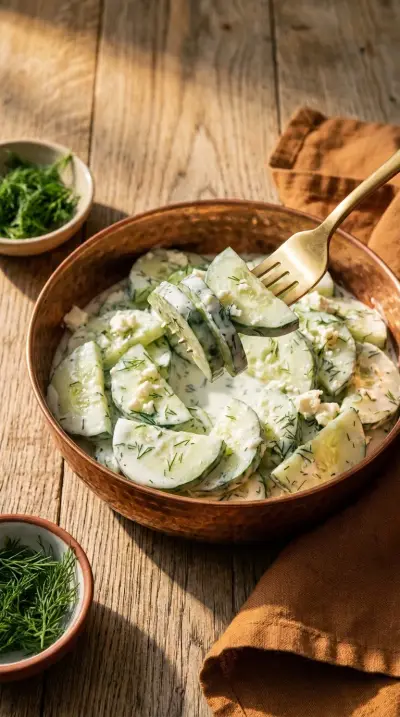
Greek Lemon Dill Cucumber Salad: Mediterranean Side Dish

Mediterranean
Chicken Cutlets: Crispy Chicken with Lemon Garlic Butter
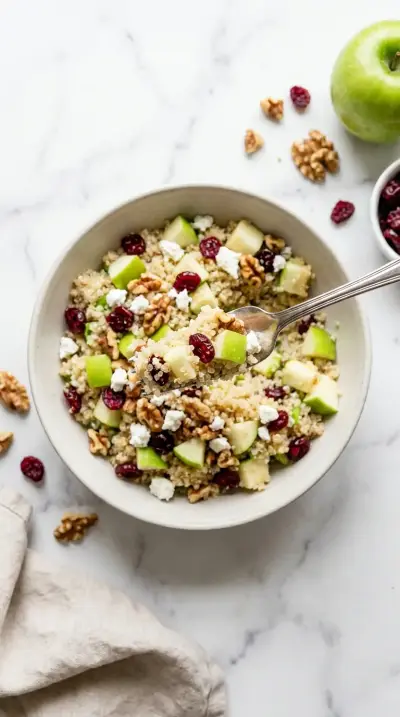
Mediterranean
Green Apple Quinoa Salad: A Mediterranean Grain Bowl
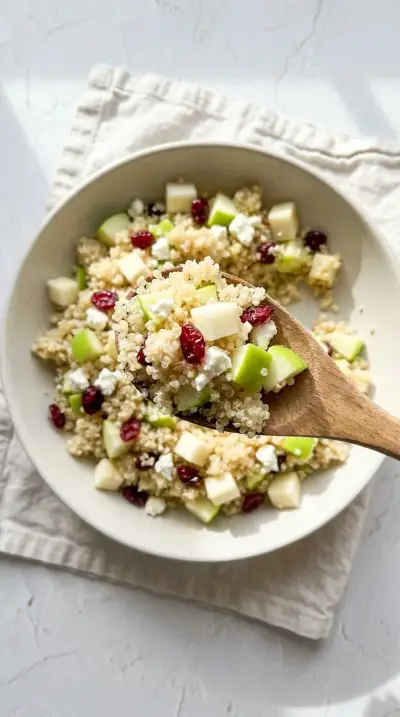
Mediterranean
Apple Quinoa Feta Salad: Mediterranean Grain Bowl
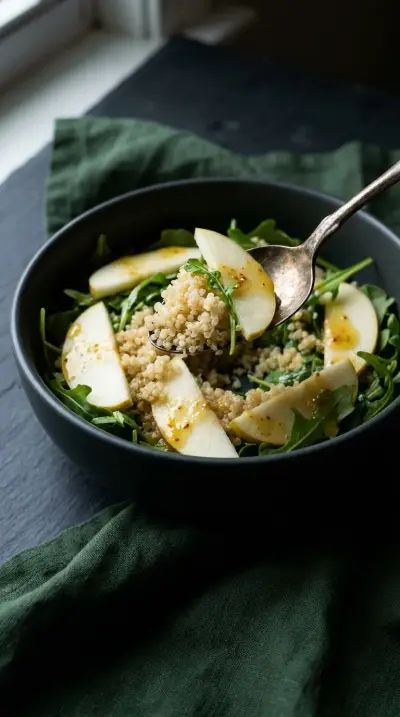
Mediterranean
Apple Quinoa Arugula Salad: Mediterranean Grain Bowl
What Makes Mediterranean Cooking Unique
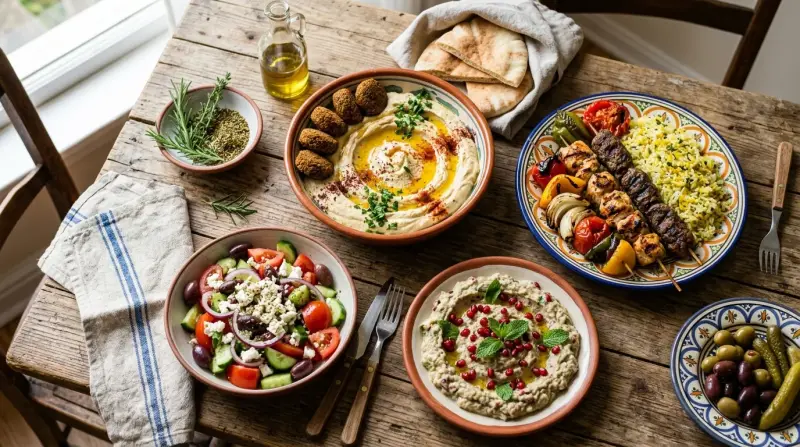
The Mediterranean region spans from the sun‑kissed coasts of Spain and Greece to the bustling markets of Morocco and Lebanon. Despite this geographic breadth, the cuisine shares a common philosophy: simple, seasonal foods prepared in ways that let each ingredient shine. Meals often revolve around shared plates, encouraging family‑style dining and a relaxed pace that turns everyday cooking into a social experience.
Key Ingredients and Flavor Foundations
Olive oil serves as the cornerstone, used for everything from sautéing vegetables to finishing a cold salad. Fresh herbs such as oregano, thyme, basil, and mint add aromatic depth without overwhelming the palate. Tomatoes, cucumbers, bell peppers, and leafy greens provide bright acidity and crunch, while legumes like chickpeas and lentils contribute protein and heartiness. Whole‑grain breads, bulgur, and couscous make satisfying bases for sauces and toppings.
Practical Tips for Home Cooks
Bringing Mediterranean flavors into your kitchen is easier than you might think. Keep a well‑stocked pantry of staple items, and let the season guide your vegetable choices. Here are some quick habits that help you create authentic, health‑forward dishes:
- Use extra‑virgin olive oil for dressings and low‑heat cooking; switch to a higher‑smoke‑point oil for searing.
- Finish cooked dishes with a splash of lemon juice or a sprinkle of fresh herbs for brightness.
- Incorporate a handful of nuts or seeds for texture and extra nutrients.
- Swap refined grains for whole‑grain alternatives like farro, quinoa, or brown rice.
- Reserve a few minutes each week to batch‑cook beans or lentils, ready to add to salads, soups, or stews.
Finding Your First Mediterranean Dish
When you’re ready to explore the recipe collection, look for dishes that feature familiar ingredients: a grilled vegetable platter, a chick‑bean salad with cucumber and tomato, or a simple baked fish drizzled with olive oil and herbs. These options require minimal technique yet deliver the distinctive balance of freshness, acidity, and wholesome fats that define Mediterranean cooking. Start with a recipe that matches your skill level and pantry, then gradually expand to more complex preparations like stuffed grape leaves or slow‑cooked tagines.