Lunch Recipes
Explore a collection of quick, healthy lunch recipes perfect for busy weekdays. Each dish uses fresh ingredients and can be ready in minutes, so you stay energized without the hassle.
26 recipes
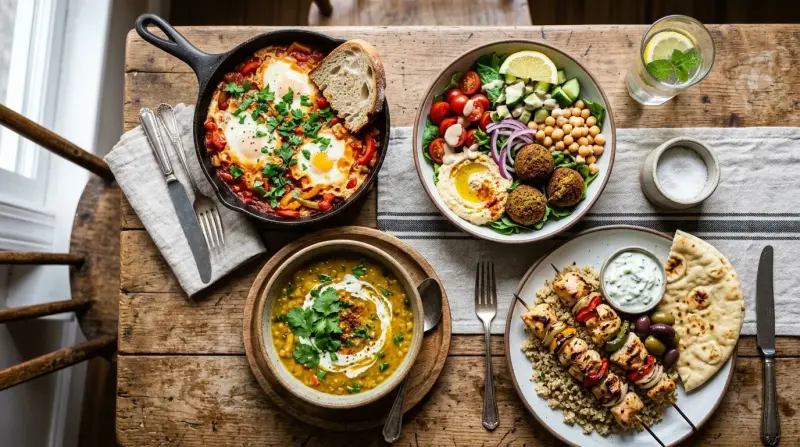


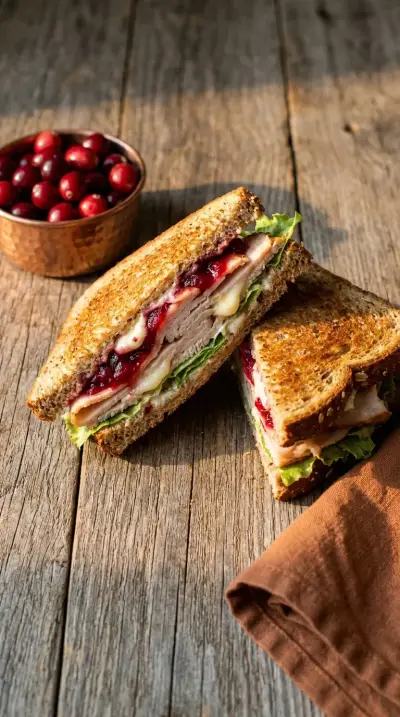
What Makes These Lunch Recipes Ideal for Busy Days
When you’re juggling meetings, errands, and a packed schedule, the last thing you want is a complicated dinner‑style lunch. The recipes in this collection are built around three core principles: speed, nutrition, and versatility. Each dish can be assembled in ten minutes or less, uses whole‑food ingredients that supply steady energy, and can be customized with whatever vegetables or proteins you have on hand. By focusing on simple cooking techniques—stir‑frying, assembling, or quick baking—you avoid lengthy prep and cleanup, leaving more time for the tasks that matter.
Key Ingredients to Keep on Hand
Stocking a small pantry of staples makes it easy to throw together a balanced lunch at a moment’s notice. Below are the categories of ingredients that appear most frequently in the recipes:
- Whole grains: cooked quinoa, brown rice, whole‑wheat couscous, or pre‑cooked farro. These provide fiber and keep you full longer.
- Lean proteins: canned beans, rotisserie chicken, canned tuna, tofu, or pre‑cooked shrimp. Choose a protein that can be added cold or warmed quickly.
- Fresh vegetables: baby spinach, mixed greens, shredded carrots, bell peppers, cherry tomatoes, and snap peas. Wash and chop a batch on the weekend for faster weekday assembly.
- Flavor boosters: citrus juice, low‑sodium soy sauce, mustard, hummus, and a selection of herbs (basil, cilantro, parsley). A splash of acidity or a pinch of fresh herbs can transform a plain bowl into a satisfying meal.
- Healthy fats: avocado, nuts, seeds, or a drizzle of olive oil. These add richness and help absorb fat‑soluble vitamins.
By rotating these basics, you can create dozens of distinct lunches without needing a huge grocery list.
Techniques and Tips for Speedy Preparation
Even the simplest recipes benefit from a few time‑saving habits:
- Batch‑cook grains: Cook a large pot of quinoa or brown rice on Sunday and store it in the fridge. It lasts 4‑5 days and can be portioned directly into lunch containers.
- Use pre‑cut produce: Many grocery stores sell bagged shredded carrots, sliced bell peppers, and pre‑washed greens. These reduce chopping time dramatically.
- One‑pan or one‑bowl meals: Stir‑fry a protein with vegetables, then toss with a pre‑cooked grain. The entire dish stays in a single skillet, minimizing cleanup.
- Quick dressings: Combine equal parts olive oil and lemon juice with a pinch of salt, pepper, and a minced garlic clove. Store in a small jar for an instant sauce.
- Cold‑assembly options: For lunches that don’t need reheating, layer greens, beans, and grains in a mason jar. When you’re ready to eat, just shake the jar to mix the dressing.
These habits keep prep time under ten minutes for most of the featured recipes.
How to Serve and Pair Your Lunch
Presentation can make a quick lunch feel special. Consider the following serving ideas:
- Bowl format: Layer grain, protein, and vegetables, then drizzle with dressing. This keeps flavors distinct until you mix them.
- Wraps and rolls: Use whole‑wheat tortillas or lettuce leaves to encase a mixture of beans, shredded carrots, and a smear of hummus. Wraps are portable and easy to eat on the go.
- Side salads: Pair a protein‑rich main (like a grilled chicken breast) with a simple side salad of mixed greens, sliced cucumber, and a vinaigrette.
- Snack‑style accompaniments: Add a handful of almonds, a piece of fruit, or a small cup of Greek yogurt for extra protein and satiety.
Balancing textures—crunchy vegetables, creamy avocado, and tender grains—creates a satisfying mouthfeel without extra effort.
Storing and Making Ahead
Most of these lunches are designed to be stored safely for up to three days. Follow these guidelines for optimal freshness:
- Use airtight containers: Glass or BPA‑free plastic containers with tight‑fitting lids prevent moisture loss and keep flavors sealed.
- Separate wet and dry components: Keep dressings, sauces, and juicy toppings in a small compartment or a separate container until you’re ready to eat.
- Reheat safely: For meals that need warmth, microwave for 60‑90 seconds, stirring halfway through. Add a splash of water or broth to prevent drying.
- Label with dates: A quick label with the preparation date helps you rotate meals and avoid waste.
Making a “lunch batch” on the weekend—mixing a large bowl of quinoa, beans, and chopped veggies—means you only need to portion and dress each serving during the week.
Frequently asked questions
Can I substitute brown rice with another grain?
Yes. Farro, barley, or whole‑wheat couscous work well as long as they are cooked according to package directions. Choose a grain that matches the texture you prefer.
How long can a prepared lunch stay safe in the fridge?
Most cooked proteins and grains remain safe for 3‑4 days when stored at 40°F (4°C) or below. If you notice an off smell or slimy texture, discard the item.
What if I’m vegetarian or vegan?
Replace animal proteins with beans, lentils, tofu, tempeh, or edamame. Nutritional yeast or a splash of soy sauce can add umami depth without meat.
Is it okay to eat these lunches cold?
Absolutely. Many of the recipes—especially grain bowls with vinaigrette or wraps with hummus—are designed to be enjoyed at room temperature or chilled.
How can I keep my lunch from getting soggy?
Keep wet ingredients (like tomatoes or dressings) in separate compartments until you’re ready to eat. Layering dry components at the bottom of a bowl also helps preserve texture.