Is Strawberry Cheesecake Bad for You? Nutrition Facts Explained
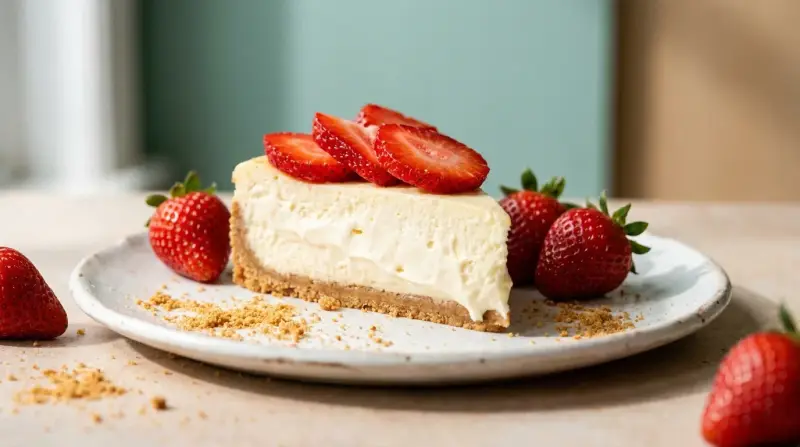
Strawberry cheesecake isn’t inherently unhealthy, but a typical slice contains high levels of saturated fat, added sugars, and calories that can strain a balanced diet if eaten frequently. Moderation, lighter ingredient swaps, and proper portion control keep it enjoyable without jeopardizing overall nutrition.
Ingredients and Equipment You’ll Need
Gathering everything before you start saves time and ensures you don’t miss a step. For a full recipe with exact measurements, see our Strawberry Cheesecake Biscoff: American Cream Dessert.
- 1 1/2 cups Biscoff cookie crumbs (or graham crackers) – provides the base.
- 3 tablespoons unsalted butter, melted – binds the crust.
- 1/4 teaspoon salt – balances sweetness.
- 24 ounces (680 g) cream cheese, softened – the main source of fat and protein.
- 1 cup (240 ml) plain Greek yogurt – adds tang and reduces overall fat.
- 3/4 cup (150 g) granulated sugar – sweetener; can be reduced to 1/2 cup.
- 2 large eggs, room temperature – gives structure.
- 1 teaspoon pure vanilla extract – flavor.
- 2 cups (300 g) fresh strawberries, hulled and sliced – natural fruit flavor and antioxidants.
- Optional: 1 tablespoon lemon juice – brightens taste.
- Equipment: 9‑inch springform pan, food processor or zip‑top bag, rubber spatula, mixer, baking sheet, kitchen scale, parchment paper.
Step‑by‑Step Guide to Making Strawberry Cheesecake
- Preheat and prepare the pan. Set the oven to 325 °F (163 °C). Wrap the outside of the springform pan with parchment to prevent leaks. The pan should feel cool and dry before adding batter.
- Make the crust. Pulse the Biscoff crumbs and melted butter together until the mixture resembles wet sand. Press it firmly into the bottom of the pan; the crust should be even and hold its shape when tipped.
- Bake the crust. Place the pan on a baking sheet and bake for 8‑10 minutes until the edges turn a light golden brown. The crust will feel set and emit a nutty aroma.
- Cool the crust while you blend the filling. Let it sit on a wire rack for 10 minutes. It should be firm enough to support the filling without wobbling.
- Blend the filling. In a large bowl, beat cream cheese until smooth, then add Greek yogurt, sugar, vanilla, and lemon juice. Mix on medium speed for 2‑3 minutes until the mixture is creamy and free of lumps. It should look glossy and thick.
- Incorporate the eggs. Add eggs one at a time, mixing just until incorporated. Over‑mixing can incorporate too much air, causing cracks. The batter will look smooth and slightly lighter in color.
- Stir in the strawberries. Gently fold half the sliced strawberries into the batter. The mixture should have speckles of red and maintain a thick pourable consistency.
- Pour onto the crust. Transfer the batter onto the pre‑baked crust, spreading it evenly with a spatula. The surface should be level and slightly wobble when the pan is shaken.
- Bake the cheesecake. Place the pan in the center of the oven and bake for 45‑55 minutes. The edges will be set and lightly browned, while the center should still jiggle gently, like a gelatin dessert. This ensures a creamy interior.
- Turn off the oven and cool gradually. Prop the oven door open with a wooden spoon and let the cheesecake sit for 1 hour. This slow cooling prevents cracks; the surface will appear smooth and slightly glossy.
- Chill. Cover the cheesecake with plastic wrap and refrigerate for at least 4 hours, preferably overnight. When properly chilled, the slice will hold its shape and feel firm yet creamy to the touch.
- Garnish and serve. Arrange fresh strawberry slices on top just before serving. The garnish should be vibrant, the berries firm, and the overall presentation bright.
Storing and Serving the Cheesecake
After the cheesecake has chilled, keep it covered in the refrigerator. It stays safe to eat for up to 5 days at 40 °F (4 °C) or can be frozen for up to 2 months; wrap it tightly in plastic and foil before freezing.
If you are pregnant, be aware that high‑fat dairy desserts should be eaten in moderation and only if the cheese is made from pasteurized milk. Review the Can You Eat Strawberry Cheesecake While Pregnant? Safety Guide for detailed recommendations.
For readers avoiding gluten, a gluten‑free crust made from almond meal or certified gluten‑free cookies works well. See the article Is Strawberry Cheesecake Gluten‑Free? What You Need to Know for substitution tips.
A printable recipe card for "Strawberry Cheesecake Biscoff: American Cream Dessert" is just below the article, ready to download or print.
Common mistakes
Over‑mixing the filling
Mixing too long incorporates excess air, which expands during baking and creates cracks on the surface. The result is a dry, uneven texture. To avoid this, mix on low speed just until the batter is smooth and stop as soon as the eggs are incorporated.
Baking at too high a temperature
Temperatures above 350 °F (177 °C) cause the outer layer to set before the interior, leading to a cracked or overly browned top. Stick to 325 °F (163 °C) and use a water bath if needed to keep the environment gentle.
Skipping the chill time
Cutting the cheesecake before it has chilled makes the slice crumble and lose its creamy mouthfeel. The final texture only firms up after at least 4 hours in the fridge, so plan ahead.
Using low‑fat cream cheese
Reduced‑fat cheese often contains extra stabilizers that can make the filling gummy rather than silky. If you need a lower‑fat option, increase the Greek yogurt proportion and add a tablespoon of cornstarch to maintain texture.
Printable recipe card: Strawberry Cheesecake Biscoff: American Cream Dessert
Save it, print it, or keep it on your phone while you cook.
Loading the recipe card…