Asian Recipes
Asian cuisine brings together vibrant spices, aromatic herbs, and diverse cooking methods, from quick stir‑fries to slow‑simmered soups. Explore the flavors that make meals both comforting and exciting.
6 recipes



What Defines Asian Cooking
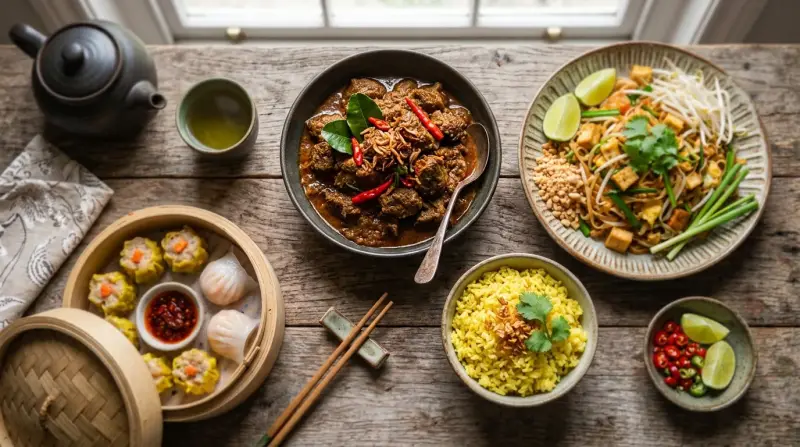
Asian cuisine is a broad term that covers the culinary traditions of East, Southeast, and South Asia. Core elements include the balance of salty, sweet, sour, bitter and umami, achieved with ingredients like soy sauce, fish sauce, tamarind, ginger, garlic, and a variety of chilies. Rice and noodles form the staple base in many dishes, while fresh herbs such as cilantro, Thai basil, and mint add bright finishes.
Key Techniques to Master
Stir‑frying is perhaps the most recognizable technique: a hot pan, a small amount of oil, and rapid movement keep vegetables crisp and proteins tender. Steaming preserves the delicate flavor of fish, dumplings, and vegetables without added fat. Simmering soups and broths allows spices to meld, creating depth in dishes like clear noodle soups or hearty curries. Mastering these methods lets you recreate authentic flavors with confidence.
Practical Tips for Home Cooks
Start with a well‑stocked pantry. Keep basics such as soy sauce, oyster sauce, sesame oil, rice vinegar, and a selection of dried spices on hand. When experimenting with heat, add chilies gradually; many Asian dishes can be adjusted to suit personal spice tolerance. Use a wok or a large, heavy skillet for even heat distribution, and pre‑prepare all ingredients because cooking moves quickly.
Choosing the Right Recipe
Look for recipes that match the time you have and the equipment available. Quick stir‑fries are ideal for weeknight meals, while slower‑cooked soups work well on weekends. Consider the balance of flavors: a dish that combines salty soy, a touch of sweet honey, and a splash of acidity will feel complete. If you’re new to Asian cooking, start with simple preparations and gradually add more complex spice blends.