Salads Recipes
Salads are a versatile way to enjoy fresh vegetables, grains, and proteins in a single bowl. Browse this collection for inspiration on creating light, satisfying meals for any occasion.
25 recipes
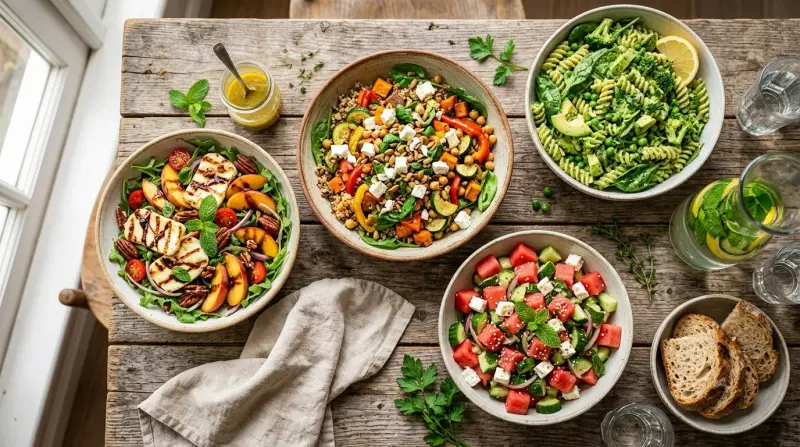
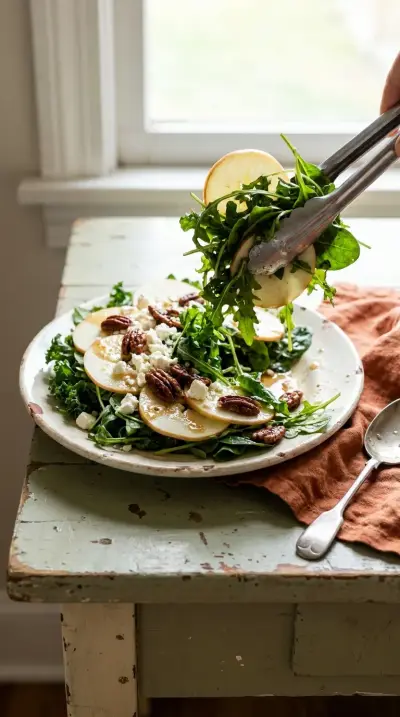
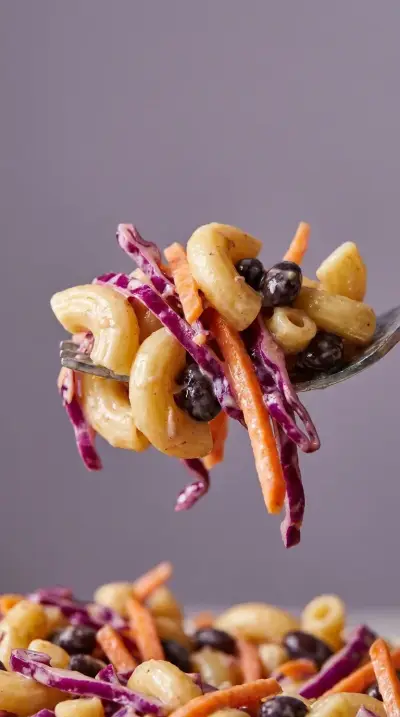
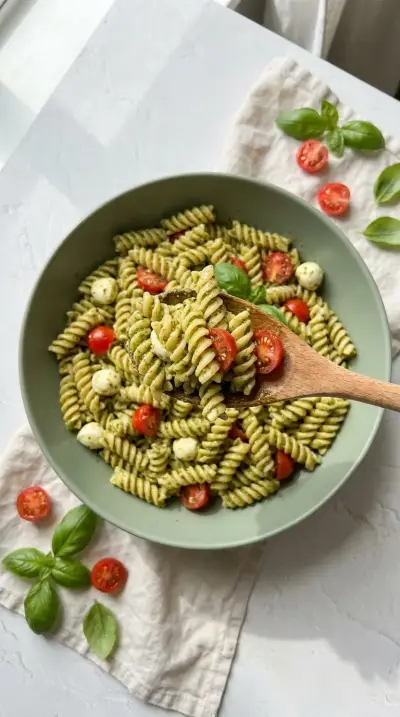
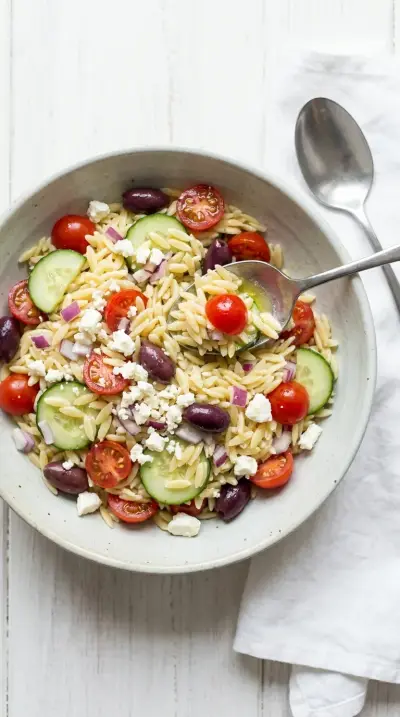
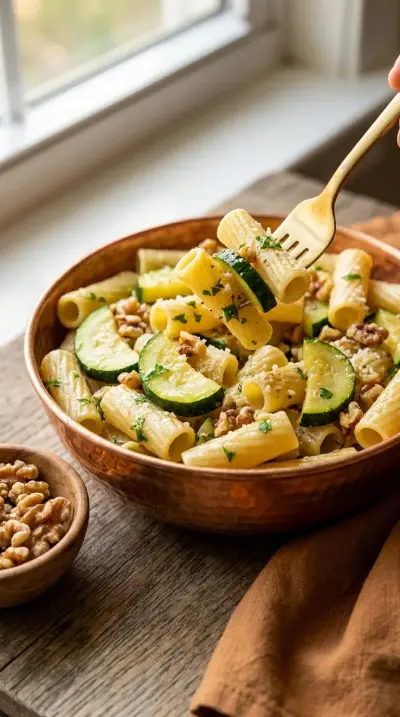
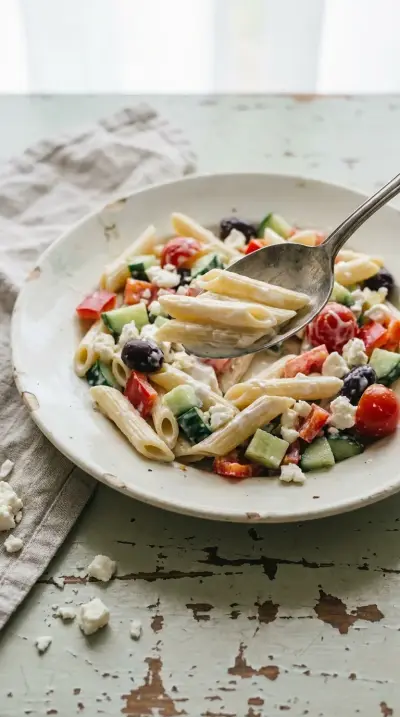
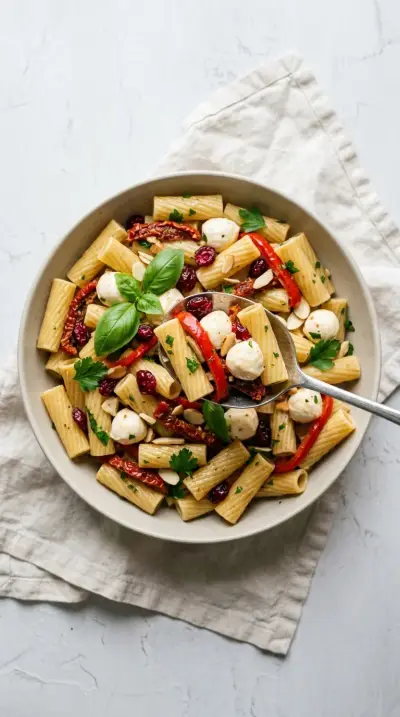
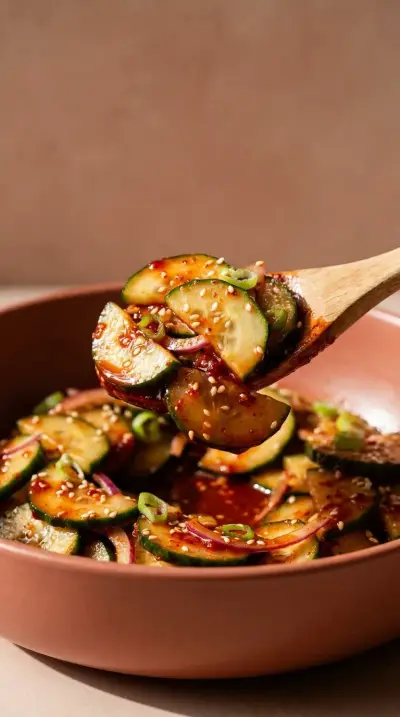
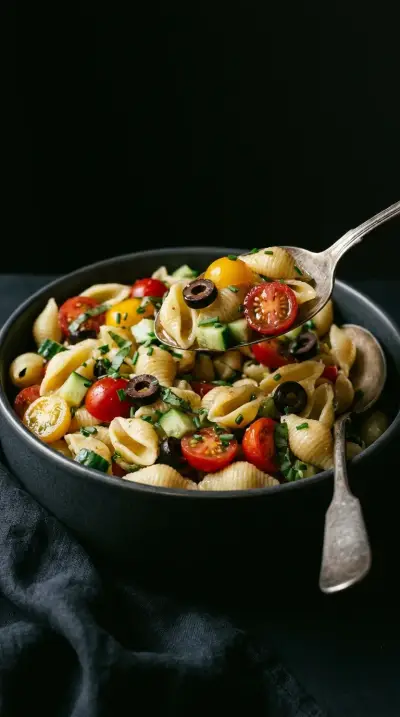
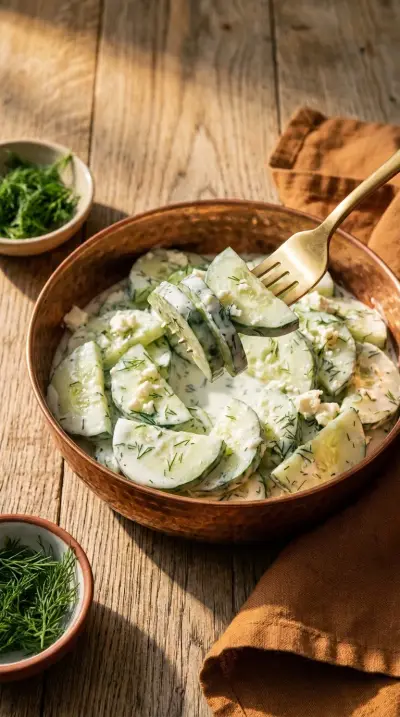
Greek Lemon Dill Cucumber Salad: Mediterranean Side Dish
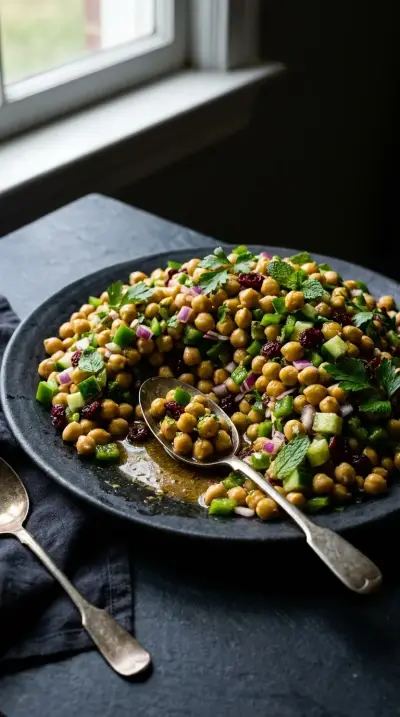
Moroccan Chickpea Salad: A Zesty Legume Salad
What makes a salad a salad
A salad is any dish that combines raw or cooked ingredients that are tossed together, usually with a dressing that unites the flavors. The foundation is often leafy greens such as romaine, spinach, or mixed spring greens, but salads can also be built on grains, legumes, noodles, or fruit. The defining element is the balance between texture, moisture, and seasoning, which turns a simple collection of ingredients into a cohesive bite.
Key flavors and techniques
Successful salads rely on contrast. Pair crisp vegetables like carrots, cucumber, or bell pepper with creamy elements such as feta, goat cheese, or avocado. Add a sweet note—ripe berries, orange segments, or a drizzle of honey—to offset the acidity of citrus‑based dressings. Herbs (mint, cilantro, basil) brighten the palate, while nuts or seeds contribute crunch and healthy fats.
- Acidic boost: lemon juice, apple cider vinegar, or pomegranate molasses.
- Umami depth: toasted sesame oil, soy sauce, or miso paste (halal‑certified).
- Texture contrast: toasted nuts, crispy croutons, or roasted chickpeas.
Choosing the right salad for your meal
Think about the role the salad will play. A light side salad pairs well with grilled proteins and uses a simple vinaigrette. A hearty main‑course salad includes protein such as grilled chicken, boiled eggs, or chickpeas, along with grains like quinoa or farro, and a richer dressing. Seasonal produce can guide your choice; summer favors tomatoes, corn, and berries, while fall highlights roasted squash, apples, and nuts. Adjust ingredients to the seasons for maximum flavor and nutrition: in spring combine peas, radishes, and mint; in summer add fresh corn and basil; in autumn use roasted beets and pomegranate seeds; in winter pair kale with citrus and toasted seeds.
Tips for perfecting your salads
Start with dry greens; excess water makes dressings slip off. Toss the dressing into the bowl first, then add the greens and toss gently to coat evenly. Add sturdier ingredients (root vegetables, cooked beans) before delicate ones (herbs, soft cheese) to prevent bruising. Let the salad rest for a few minutes after dressing so flavors meld, but serve within a couple of hours for optimal texture.