Can You Eat Strawberry Cheesecake While Pregnant? Safety Guide
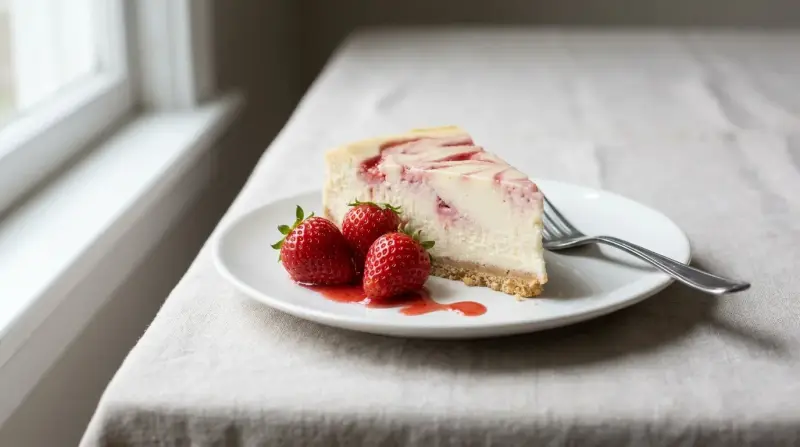
Yes, you can safely eat strawberry cheesecake while pregnant as long as the dessert is made with pasteurized dairy, fully cooked eggs or egg‑free alternatives, and is stored and served at safe temperatures to avoid food‑borne illness.
What makes cheesecake safe or risky during pregnancy?
Cheesecake primarily contains cream cheese, eggs, sugar, and a crust. The safety concerns stem from two ingredients: raw or undercooked eggs and unpasteurized dairy. Listeria monocytogenes can grow in unpasteurized milk products, while Salmonella can be present in raw eggs. During pregnancy, a weakened immune system makes these bacteria more dangerous, potentially leading to severe illness or complications for the baby. Baking a cheesecake at 325°F (163°C) for 45‑60 minutes raises the interior temperature to at least 160°F (71°C), which is high enough to kill both Salmonella and Listeria. Commercially produced cheesecakes in the United States must use pasteurized cream cheese, a regulation that greatly reduces risk.
Is strawberry cheesecake different from other flavors?
The strawberry component does not add a safety risk. Fresh strawberries are low‑acid fruits that are safe when washed thoroughly to remove surface bacteria. They are often mixed into the filling or used as a topping. The primary safety considerations remain the dairy and eggs. Sugar, butter, and the biscuit or graham‑cracker crust are also low‑risk, provided they are stored properly and not left out at room temperature for more than two hours.
Common belief: “All homemade cheesecake is unsafe because it contains raw eggs.”
This belief is only partially true. Traditional no‑bake cheesecakes often call for raw eggs to create a silky texture, and raw eggs can indeed harbor Salmonella. However, many home bakers either bake their cheesecake or substitute the eggs with pasteurized egg products, which are treated to eliminate pathogens while retaining the same functional properties. When a recipe is baked, the eggs reach a temperature that destroys harmful bacteria, making the dessert safe. Therefore, the blanket statement that all homemade cheesecake is unsafe overlooks the difference between baked and unbaked methods and the availability of safe egg alternatives.
How to choose or prepare a pregnancy‑friendly strawberry cheesecake
Follow these steps to ensure your strawberry cheesecake is safe for you and your baby:
- Check the dairy. Verify that the cream cheese, sour cream, or yogurt used is labeled “pasteurized.” Most store‑bought brands in the U.S. meet this criterion, but artisan or homemade dairy may not.
- Cook the eggs. If the recipe calls for eggs, bake the cheesecake until the center reaches 160°F (71°C). Use an instant‑read thermometer to confirm. For no‑bake recipes, replace raw eggs with ½ cup of pasteurized egg whites or a commercial egg‑free stabilizer.
- Watch the crust. Most crusts are baked with the cheesecake, but if you add a raw crumb layer, bake it for at least 10 minutes at 350°F (177°C) to eliminate any lingering bacteria.
- Handle strawberries safely. Rinse berries under running water and pat dry. If you plan to store the cheesecake for later, add the fresh strawberries just before serving to maintain texture and reduce moisture buildup.
- Mind the storage. Refrigerate the finished cheesecake within two hours of removal from the oven. Keep it at 40°F–45°F (4°C–7°C) and consume within 3‑4 days. If you need to keep it longer, freeze it promptly.
- Reheat if needed. When serving leftovers, heat a slice in the oven at 300°F (149°C) for 5‑7 minutes until the interior is warm and reaches at least 165°F (74°C). This extra heat step adds a safety margin.
For a ready‑made example that follows these guidelines, see Strawberry Cheesecake Biscoff: American Cream Dessert, which uses pasteurized cream cheese and baked crust.
If you prefer to make a no‑bake version, read Can You Freeze Strawberry Cheesecake? Tips, Timing, and Storage for advice on safely freezing and thawing a cheesecake that contains pasteurized ingredients.
Wondering about gluten concerns? The same article Is Strawberry Cheesecake Gluten‑Free? What You Need to Know explains how to adapt the crust with almond flour or certified gluten‑free graham crackers while keeping the dessert safe for pregnancy.
A printable recipe card for "Strawberry Cheesecake Biscoff: American Cream Dessert" is just below the article, ready to download or print.
Frequently asked questions
Can I eat store‑bought strawberry cheesecake?
Yes, as long as the label indicates pasteurized dairy and the product has been kept refrigerated. Check the packaging for any mention of raw eggs; most commercial cheesecakes are baked, which makes them safe.
Is it okay to eat leftover cheesecake that’s been out for a few hours?
Leave perishable foods at room temperature for no more than two hours. After that, bacteria can multiply quickly, so discard any cheesecake that has sat out longer than that period.
Do I need to avoid whipped cream toppings?
Whipped cream made from pasteurized heavy cream is safe. However, avoid toppings that contain raw egg yolks, such as homemade meringue, unless you use pasteurized egg whites.
What temperature should I reheat a slice of cheesecake?
Reheat in a preheated oven at 300°F (149°C) until the interior reaches at least 165°F (74°C). This ensures any lingering bacteria are destroyed while keeping the texture smooth.
Printable recipe card: Strawberry Cheesecake Biscoff: American Cream Dessert
Save it, print it, or keep it on your phone while you cook.
Loading the recipe card…