Keto Mango Juice: Low-Carb Mango Drink
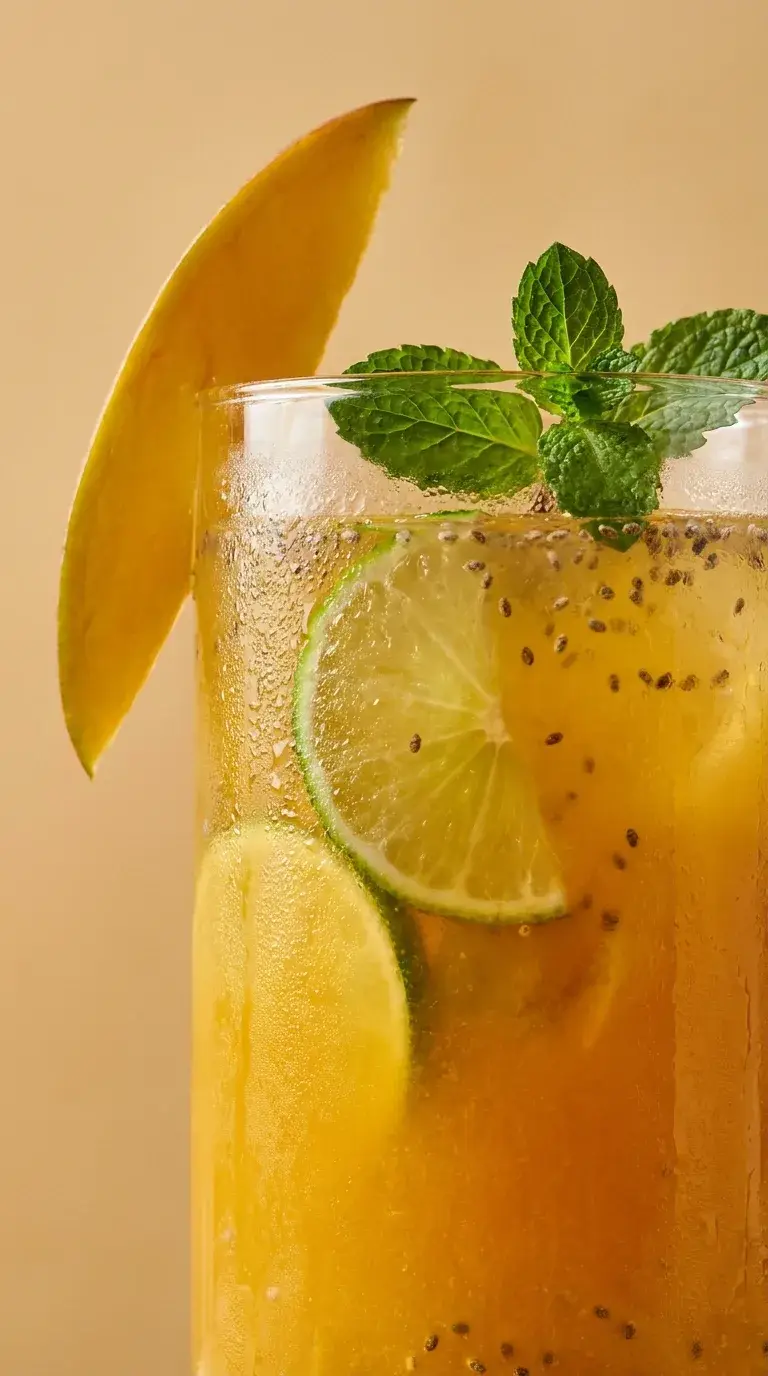
Traditional mango juices rely on pureed fruit and sugar, which creates a high glycemic load. This version of keto mango juice replaces the fruit pulp with monk-fruit mango syrup to maintain a low-carb profile. Use this method to avoid the heavy sugar content of fresh mangoes while keeping the distinct tropical flavour. This departure allows you to enjoy a sweet drink that fits a ketogenic diet without sacrificing the characteristic taste of the fruit.
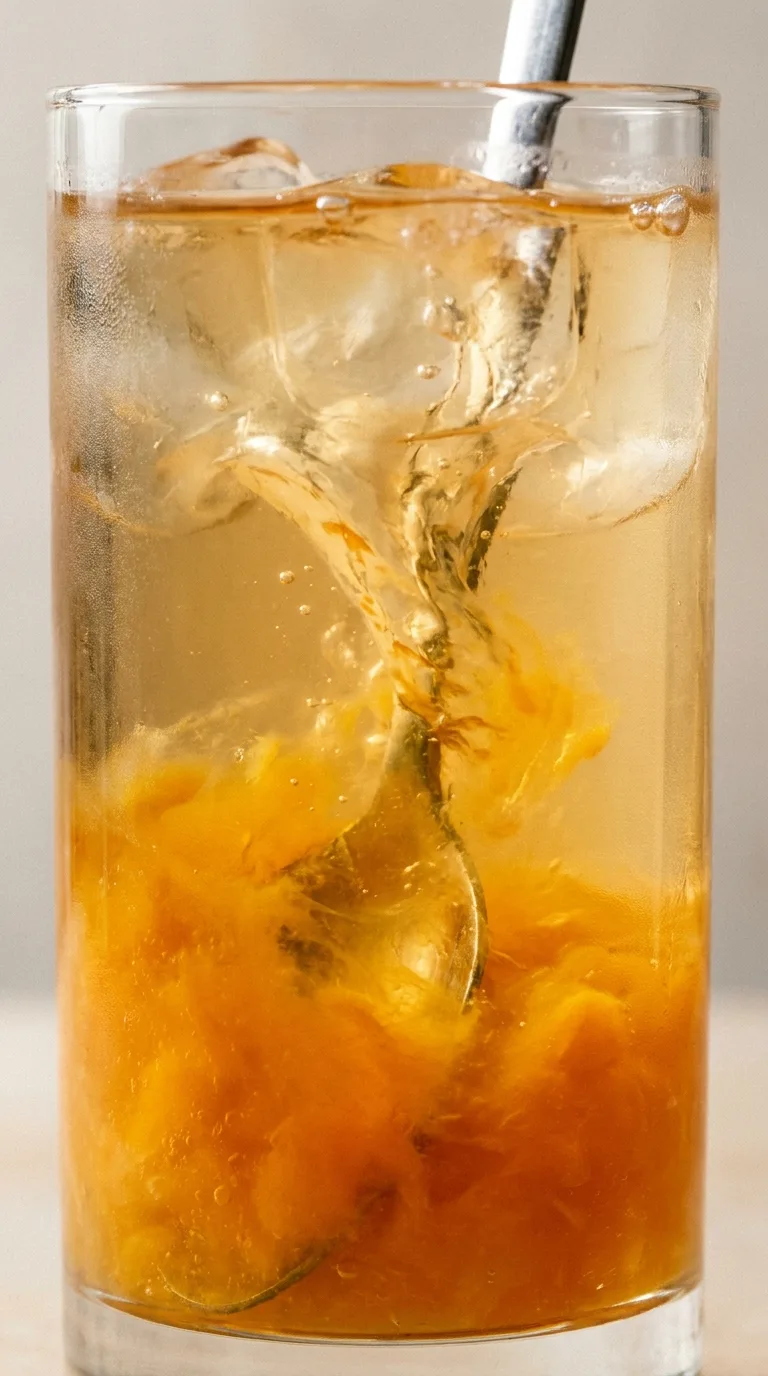
The result is a light, citrus-brightened beverage with a clean finish. Stir the syrup and chilled iced tea for 15 seconds to ensure they are fully incorporated. This step prevents the syrup from settling at the bottom of the glass, ensuring every sip has a consistent sweetness. Add chia seeds at the very end so they retain a crunchy texture rather than swelling in the liquid.
Keto Mango Juice: Low-Carb Mango Drink
Recipe cardIngredients
Watch how it's made
Instructions
-
Chill the tea
Place your unsweetened iced tea in the refrigerator. Leave it for at least 60 minutes. You do this to ensure the drink stays cold without the ice melting too quickly.
-
Prepare the garnish
Rinse a fresh mango under cold water. Cut the fruit into small cubes using a knife and board. Set these aside for the final presentation.
-
Add the base
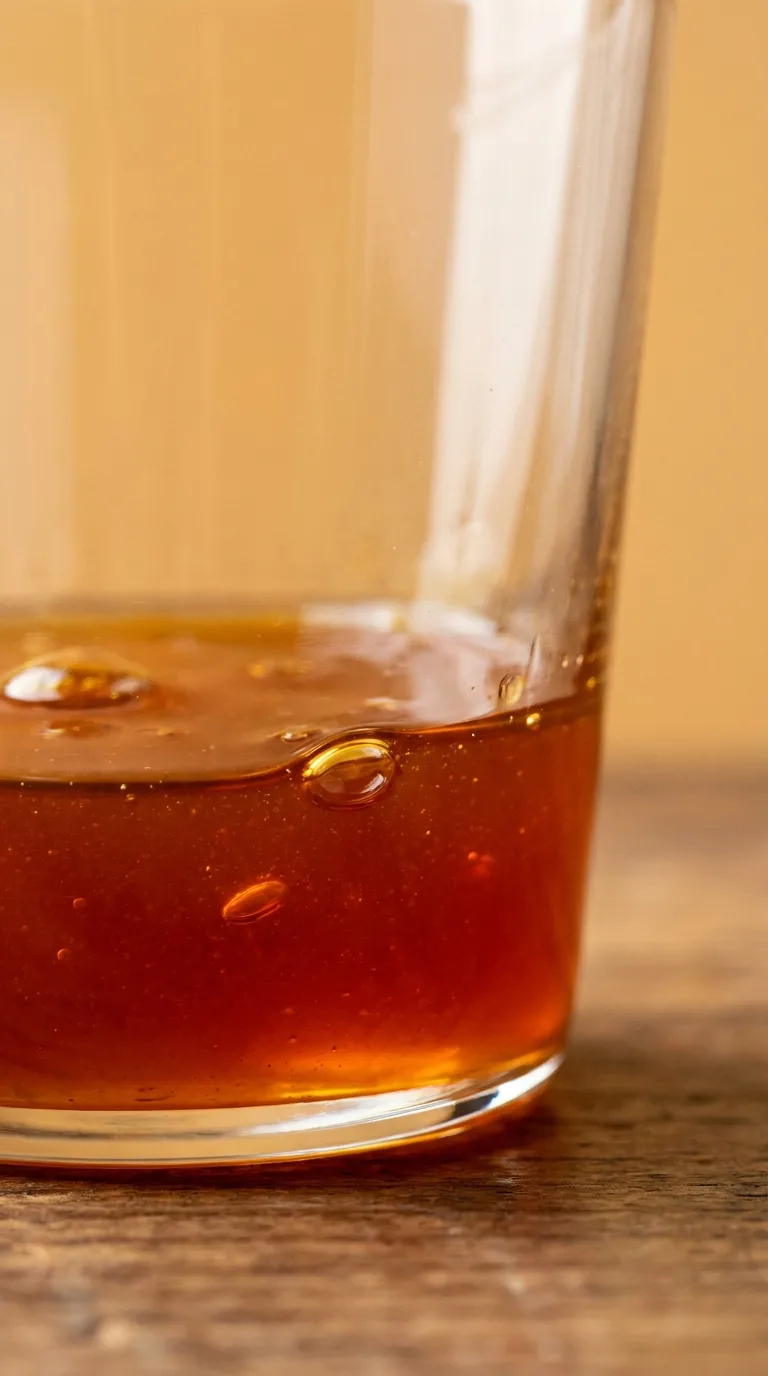
Measure 30 ml of monk-fruit mango syrup. Pour this into your 480 ml glass. This creates the sweet, low-carb foundation of the drink.
-
Fill with ice
Drop 6 ice cubes into the glass. Press them down slightly with your spoon. This creates the necessary space for the liquid to flow around the ice.
-
Combine the liquids
Pour 180 ml of chilled iced tea over the ice and syrup. Fill the glass almost to the rim. Stir gently for 15 seconds to ensure the thick syrup is fully incorporated.
-
Add citrus brightness
Roll a lime wedge between your palms to break the membranes. Drop the wedge into the drink. This releases the juice for a sharp, citrus contrast to the mango.
-
Finish and garnish
Sprinkle 10 g of chia seeds and a mint sprig on top. Place a thin slice of fresh mango on the rim. The seeds provide a fibre boost and a different texture.
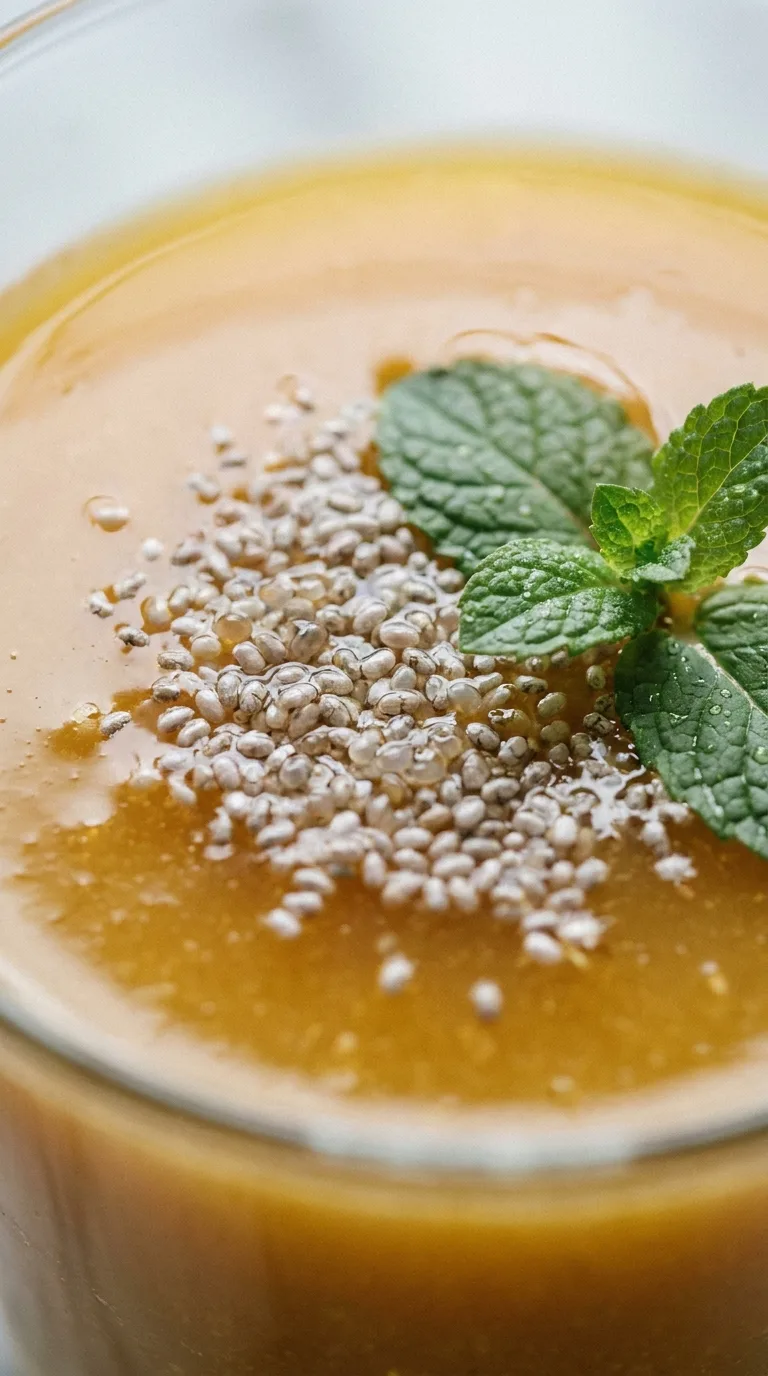
Keep your chia seeds separate until the moment you serve. If you add them too early, they will swell in the liquid and lose their crunch. You will know they have softened too much if they clump together at the bottom of the glass.
How it differs from the traditional method
Traditional mango juice uses blended fresh mangoes, which contain high amounts of natural sugar. This version replaces the fruit pulp with monk-fruit syrup and iced tea to reduce carbohydrates. Use the traditional method if you prefer the thick, creamy consistency of pureed fruit over a light, tea-based drink.
What to serve with it
Pair this drink with a protein-rich breakfast such as Greek yoghurt topped with nuts to create a balanced keto morning. For a fresh twist, add a small handful of sliced cucumber to the glass. Serve the beverage over crushed ice to maintain a slushy texture during hot summer days.
Nutrition per serving
- Calories
- 65
- Protein
- 2.1 g
- Carbs
- 4.0 g
- Fat
- 2.8 g
- Fiber
- 3.2 g
- Sugar
- 0.5 g
Estimated, and offered as a guide rather than a medical figure.
Made it? Rate it.
Questions people ask
Which fruit juices are keto-friendly?
Most traditional fruit juices are not keto-friendly due to high sugar content. Low-carb options usually rely on water, tea, or nut milks infused with sugar-free syrups or a small amount of lemon and lime juice to maintain a low glycemic index.
How many carbs are in a glass of mango juice?
A standard glass of pure mango juice often contains over 25 g of sugar. This keto version contains roughly 3-4 g of net carbs because it uses monk-fruit sweetener instead of the whole fruit for the primary flavour.
Is mango juice high in sugar?
Yes, natural mango juice is very high in fructose. This makes it unsuitable for those following a strict ketogenic diet. Replacing the fruit with a monk-fruit syrup allows you to enjoy the mango flavour without the blood glucose spike.