Yes, You Can Make Oatmeal Raisin Cookies Without Brown Sugar
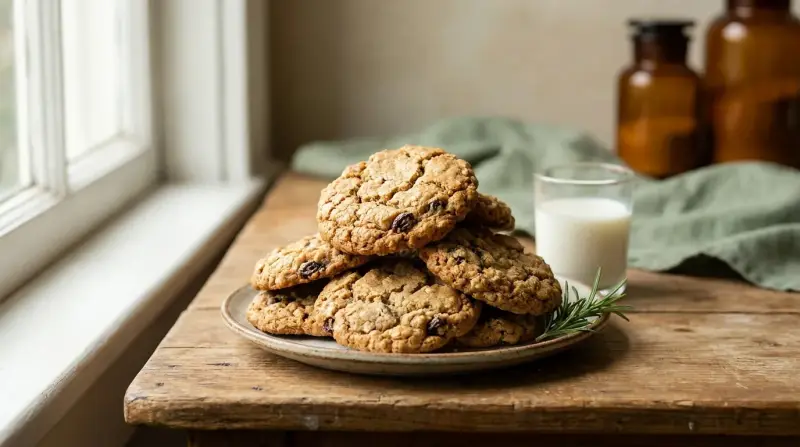
Yes, oatmeal raisin cookies can be made without brown sugar by substituting an equal amount of granulated sugar or a liquid sweetener such as honey, maple syrup or coconut sugar, and adjusting the moist ingredients and baking temperature to keep the cookies soft and chewy.
Why brown sugar is used in traditional oatmeal raisin cookies
Brown sugar contributes both sweetness and moisture. The molasses in brown sugar retains water, which helps create a tender crumb and a slight chewiness. It also adds a faint caramel flavour that complements the warm cinnamon and juicy raisins. When brown sugar is omitted, the dough loses some of that inherent moisture, so the recipe must be balanced with other wet ingredients.
Substitutes for brown sugar in oatmeal raisin cookies
Several pantry items can stand in for brown sugar while still delivering a pleasing texture and flavour. Use granulated white sugar for a lighter colour and crisper bite, but increase the liquid component by 1 tbsp (15 ml) of milk, apple juice or melted butter per cup of sugar. Honey or maple syrup adds moisture and a subtle floral note; replace each cup of brown sugar with ¾ cup (180 g) of honey or syrup and reduce any other liquid by the same amount. Coconut sugar provides a caramel‑like taste similar to brown sugar; use it cup‑for‑cup, but pair it with a touch more butter to compensate for its lower moisture content.
For a low‑glycaemic option, consider date paste made from blended dates and water; blend 150 g dates with 60 ml warm water until smooth, then use the paste in place of one cup of brown sugar and reduce the recipe’s oil by 1 tbsp (15 ml).
For more ideas on perfect flavour balance, see The Secret to Perfect Oatmeal Raisin Cookies Revealed.
How to adjust the recipe when using granulated sugar
When swapping brown sugar for white sugar, follow these adjustments to retain chewiness:
- Increase butter or oil by 1 tbsp (15 ml) per cup of sugar. The extra fat mimics the moisture of molasses.
- Add 1 tbsp (15 ml) of milk, apple juice or a splash of orange juice per cup of sugar to provide extra liquid.
- Reduce baking soda by ¼ tsp to avoid excessive spreading caused by a slightly higher pH.
- Optionally, stir in ½ tsp (2 g) of cream of tartar to help the cookies retain acidity and improve texture.
These tweaks keep the dough supple, prevent the cookies from drying out, and give them the characteristic soft centre that raisin lovers expect.
Step‑by‑step oat‑raisin cookie recipe without brown sugar
Below is a reliable, halalan‑friendly recipe that yields about 24 medium‑sized cookies.
| Ingredient | Amount |
|---|---|
| Unsalted butter, softened | 115 g (½ cup) |
| Granulated white sugar | 200 g (1 cup) |
| Egg, large | 1 |
| Vanilla extract | 1 tsp (5 ml) |
| All‑purpose flour | 180 g (1 ½ cups) |
| Baking soda | ½ tsp (2 g) |
| Ground cinnamon | 1 tsp (2 g) |
| Salt | ¼ tsp (1 g) |
| Old‑fashioned oats | 210 g (3 cups) |
| Raisins | 150 g (1 cup) |
| Milk (or apple juice) | 1 tbsp (15 ml) |
Method
- Preheat the oven to 175 °C (350 °F). Line two baking trays with parchment paper.
- In a large bowl, cream the softened butter with the granulated sugar using a hand mixer on medium speed for 2–3 minutes, until the mixture looks pale and fluffy.
- Add the egg and vanilla extract, beating until fully incorporated.
- In a separate bowl, whisk together the flour, baking soda, cinnamon and salt.
- Gradually add the dry mixture to the creamed butter, mixing on low speed. The dough will look slightly crumbly.
- Stir in the milk (or apple juice) to bring the dough together. It should be soft but not sticky.
- Fold in the oats and raisins, ensuring an even distribution.
- Using a rounded tablespoon or a cookie scoop, drop dough balls onto the prepared trays, spacing them about 5 cm (2 inches) apart.
- Bake for 10–12 minutes, until the edges are lightly golden and the centre feels set. Do not over‑bake; the cookies will continue to firm as they cool.
- Allow the cookies to rest on the tray for 5 minutes, then transfer to a wire rack to cool completely.
This recipe can be halved for a smaller batch or doubled for a party. For a different flavour profile, try adding ½ tsp (2 g) of ground ginger or swapping half the raisins for chopped dried apricots.
Troubleshooting common issues
Cookies spread too much
If the cookies spread excessively and become thin, the butter may have been too warm or the sugar ratio too high. Chill the dough for 20–30 minutes before baking, and ensure the butter is only softened, not melted. Adding an extra ½ tsp (2 g) of flour can also help absorb excess moisture.
Cookies are dry and crumbly
Dry, crumbly cookies indicate insufficient moisture. Check that you added the milk (or juice) and that the butter was properly creamed. If using coconut sugar, increase the butter by 1 tbsp (15 ml). A short 1‑minute additional bake at 165 °C (330 °F) can also re‑hydrate the interior.
Raisins sink to the bottom
When raisins settle, the dough is too wet or the raisins are too large. Toss the raisins with a tablespoon of flour before folding them in; the coating keeps them suspended. Alternatively, use plump, smaller raisins and avoid over‑mixing the dough, which can break down the oat structure.
Storing and freezing oat‑raisin cookies
Once completely cooled, store cookies in an airtight container at room temperature for up to five days. For longer keeping, layer the cookies with parchment paper and freeze them in a zip‑lock bag for up to three months. To reheat, place a frozen cookie on a baking sheet and warm at 150 °C (300 °F) for 5 minutes; the centre will become soft again.
For those monitoring blood sugar, oat‑raisin cookies can be adapted with a low‑glycaemic sweetener such as stevia or erythritol, but remember to adjust the liquid balance accordingly. See Are oatmeal raisin cookies suitable for diabetics? for more guidance.
A printable recipe card for Breakfast Cookies: Low Sugar Peanut Butter and Banana is just below the article, ready to download or print.
Frequently asked questions
Can I use honey instead of brown sugar?
Yes. Replace each cup of brown sugar with ¾ cup (180 ml) of honey and reduce any other liquid by the same amount. Honey adds moisture, so the cookies stay soft.
Will the cookies still be chewy?
When you increase the butter and add a little extra liquid, the crumb retains chewiness similar to the original brown‑sugar version.
Do I need to chill the dough if I use white sugar?
Chilling for 20–30 minutes is recommended to firm the butter, which prevents excessive spreading and helps achieve a thicker cookie.
Can I make these cookies gluten‑free?
Swap the all‑purpose flour for an equal amount of a gluten‑free blend that contains starches and xanthan gum. The texture remains comparable.
How long can I keep the cookies fresh?
Stored in an airtight container at room temperature, they stay fresh for five days. For up to three months, freeze them as described above.
Printable recipe card: Breakfast Cookies: Low Sugar Peanut Butter and Banana
Save it, print it, or keep it on your phone while you cook.
Loading the recipe card…