Are oatmeal raisin cookies suitable for diabetics?
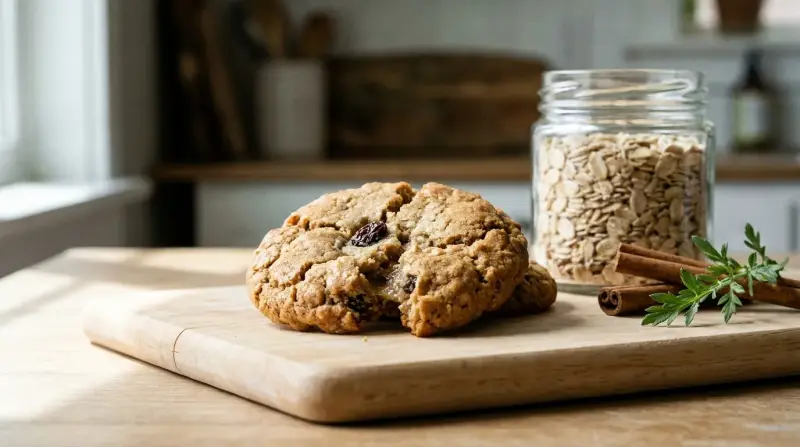
Oatmeal raisin cookies can be included in a diabetic diet if they are prepared with reduced‑sugar sweeteners, whole‑grain oats, and eaten in modest portions, because the fibre in oats and raisins slows glucose absorption while limiting added sugars keeps blood‑sugar spikes low.
Understanding carbs, fibre and glycaemic impact
Each standard cookie contains roughly 8 g of carbohydrate, of which about 1 g is dietary fibre. Fibre forms a gel in the digestive tract, delaying the breakdown of starches and sugars, which moderates the rise in blood glucose. However, the refined flour and added sugars commonly used still contribute rapid‑acting carbs. Replacing part of the flour with rolled oats and using a low‑glycaemic sweetener such as Splenda or erythritol lowers the overall glycaemic index (GI) of the cookie.
Raisins provide natural sugars but also add about 1 g of fibre per tablespoon, further smoothing the glucose response. The key is to keep the total carbohydrate per serving under 10 g, a level most diabetic meal‑plans consider a snack portion.
How to adapt a classic recipe for diabetics
Start with a base that swaps half the all‑purpose flour for rolled oats. Use a blend of 1 tbsp (15 g) Splenda granular and 1 tbsp (15 g) Splenda brown‑sugar substitute instead of regular sugar. Replace butter with a light margarine or a blend of 2 tbsp (30 g) unsweetened applesauce and 1 tbsp (15 g) coconut oil to cut saturated fat while preserving tenderness.
Typical adjusted ingredient list (makes about 30 cookies):
- 120 g rolled oats
- 75 g whole‑wheat flour
- ½ tsp (2 g) baking powder
- ½ tsp (2 g) cinnamon
- ¼ tsp (1 g) salt
- 30 g unsweetened applesauce
- 30 g coconut oil, melted
- 1 large egg
- 1 tsp (5 mL) vanilla extract
- 15 g Splenda granular
- 15 g Splenda brown‑sugar blend
- 60 g raisins
Mix dry ingredients, cream the applesauce, coconut oil, and sweeteners, then combine with the egg and vanilla. Fold in the oat‑flour blend and raisins. Chill the dough for 20 minutes to improve texture.
Bake at 175 °C (350 °F) for 9–11 minutes; the cookies should be lightly golden on the edges but still soft in the centre. Cooling on a wire rack for 10 minutes prevents over‑baking, which can increase the GI by caramelising more sugars.
For further guidance on soft, chewy texture, see How to Make Soft, Chewy Oatmeal Raisin Cookies from Scratch. If timing is a concern, How Long to Bake Oatmeal Raisin Cookies for Perfect Chewy Results offers a concise baking schedule.
Portion control, storage and safety
Even a diabetic‑friendly cookie should be limited to one or two per snack. A single cookie provides around 55 kcal, 8 g carbohydrate, 1 g fibre and 2 g fat, fitting comfortably within a typical 30‑gram carbohydrate allowance for a mid‑day snack.
| Nutrient | Per Cookie |
|---|---|
| Energy | 55 kcal |
| Carbohydrate | 8 g |
| Dietary fibre | 1 g |
| Protein | 1 g |
| Total fat | 2 g |
Store cookies in an airtight container at room temperature for up to five days. For longer keeping, place them in a freezer‑safe bag and freeze for up to three months; thaw in the refrigerator before serving. Always reheat to an internal temperature of at least 75 °C (165 °F) if you prefer them warm, which also ensures any potential bacterial growth is eliminated.
A printable recipe card for Vegan Breakfast Cookies: Oatmeal Banana Nut Bliss is just below the article, ready to download or print.
The short version
- Use whole‑grain oats and replace half the flour with them.
- Swap regular sugar for Splenda or another low‑glycaemic sweetener.
- Limit each serving to one or two cookies (≈8 g carbs each).
- Bake at 175 °C (350 °F) for 9–11 minutes for a soft centre.
- Store in airtight container; freeze for up to three months.
- Enjoy as part of a balanced diabetic meal plan.
Printable recipe card: Vegan Breakfast Cookies: Oatmeal Banana Nut Bliss
Save it, print it, or keep it on your phone while you cook.
Loading the recipe card…