Parmesan Mashed Potatoes: Italian Cheese Mash
Many cooks skip the soaking stage when preparing parmesan mashed potatoes. This error leaves too much surface starch on the tubers. You end up with a gluey, gummy mash instead of a light consistency.
This dish is a smooth side of Yukon Gold potatoes whipped with butter, heavy cream, and whole milk. It has a sharp, savoury finish from the grated Parmigiano-Reggiano. The result is glossy and rich, making it a suitable partner for roasted chicken or grilled steak.
You must soak the 5 cm cubes in cold water for 5 minutes before boiling. This removes the excess starch that causes clumping. Use a potato masher or ricer on the hot vegetables before stirring in the warmed liquids to ensure the mixture stays creamy and avoids lumps.
Parmesan Mashed Potatoes: Italian Cheese Mash
Recipe cardIngredients
Instructions
-
Prepare the potatoes
Peel the potatoes and cut them into 5 cm cubes. Soak them in cold water for 5 minutes to remove excess starch. You do this to prevent the final mash from becoming gummy.
-
Warm the liquids
Heat the milk, cream and butter in a small saucepan over low heat. Stir until the butter has melted. Keep this mixture warm so it does not shock the hot potatoes.
-
Boil the potatoes
Add the soaked potatoes and 1 tsp sea salt to a large pot of water. Bring to a boil, then simmer for 12–15 minutes. Cook until they are fork–tender.
-
Drain and dry
Drain the potatoes into a colander. Let them sit for a minute to allow excess water to evaporate. This ensures your mash does not become watery.
-
Sauté the garlic
Heat the olive oil over medium heat in a small pan. Sauté the minced garlic for 1 minute until fragrant. Do not let the garlic brown, as this will make it bitter.
-
Mash the potatoes
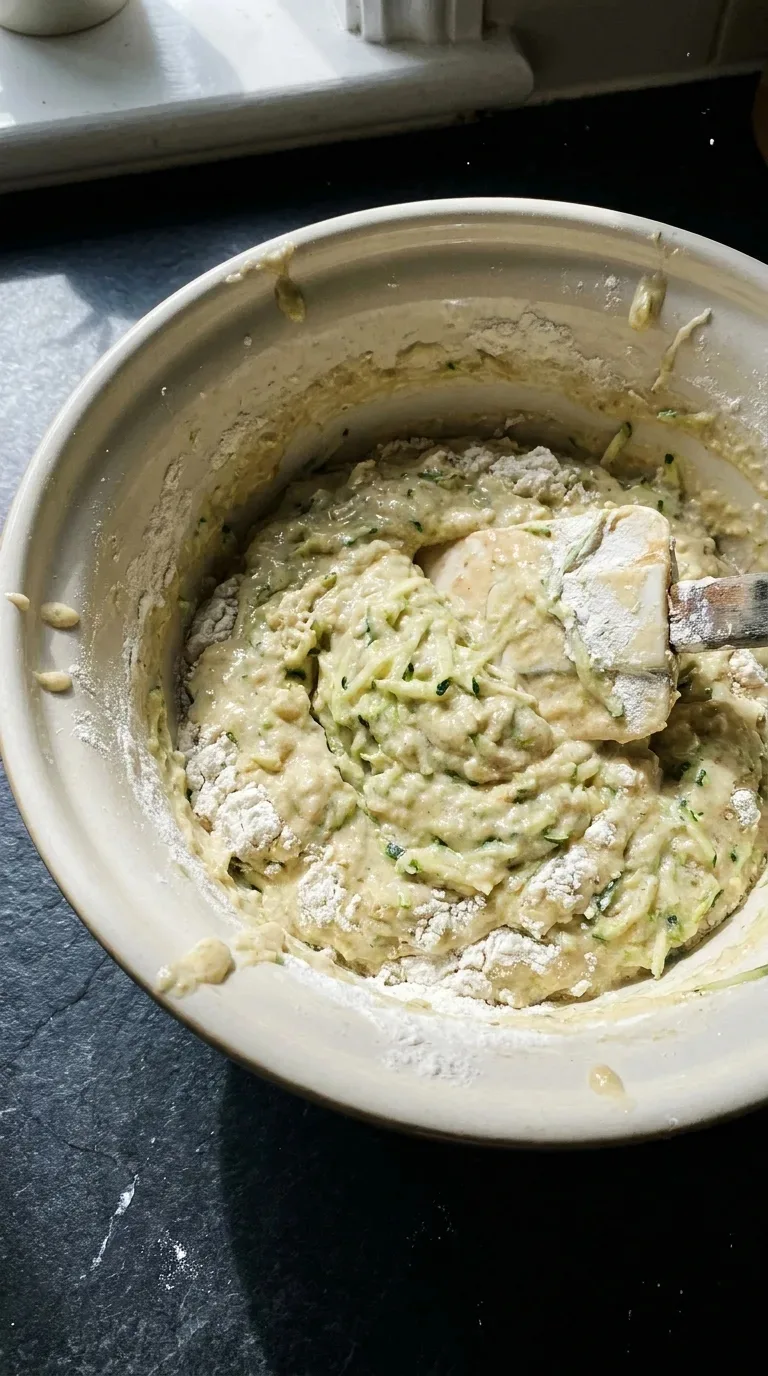
Use a potato masher or ricer to crush the hot potatoes. Choose a smooth consistency for an indulgent finish or leave some chunks for texture.
-
Combine the mixture
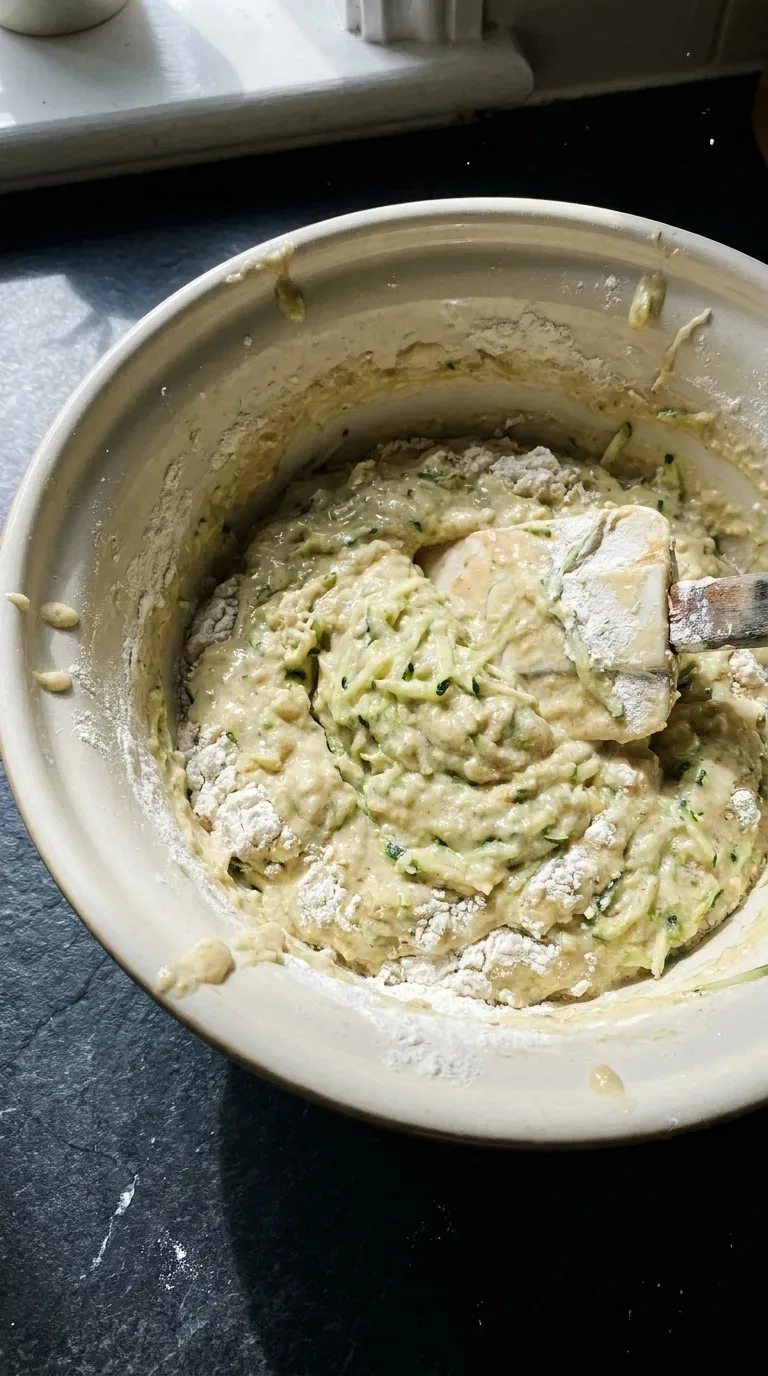
Pour the warm milk–cream mixture over the potatoes in half–portions. Stir after each addition and mix in the sautéed garlic. Stir until the mash is creamy and well incorporated.
-
Finish with cheese
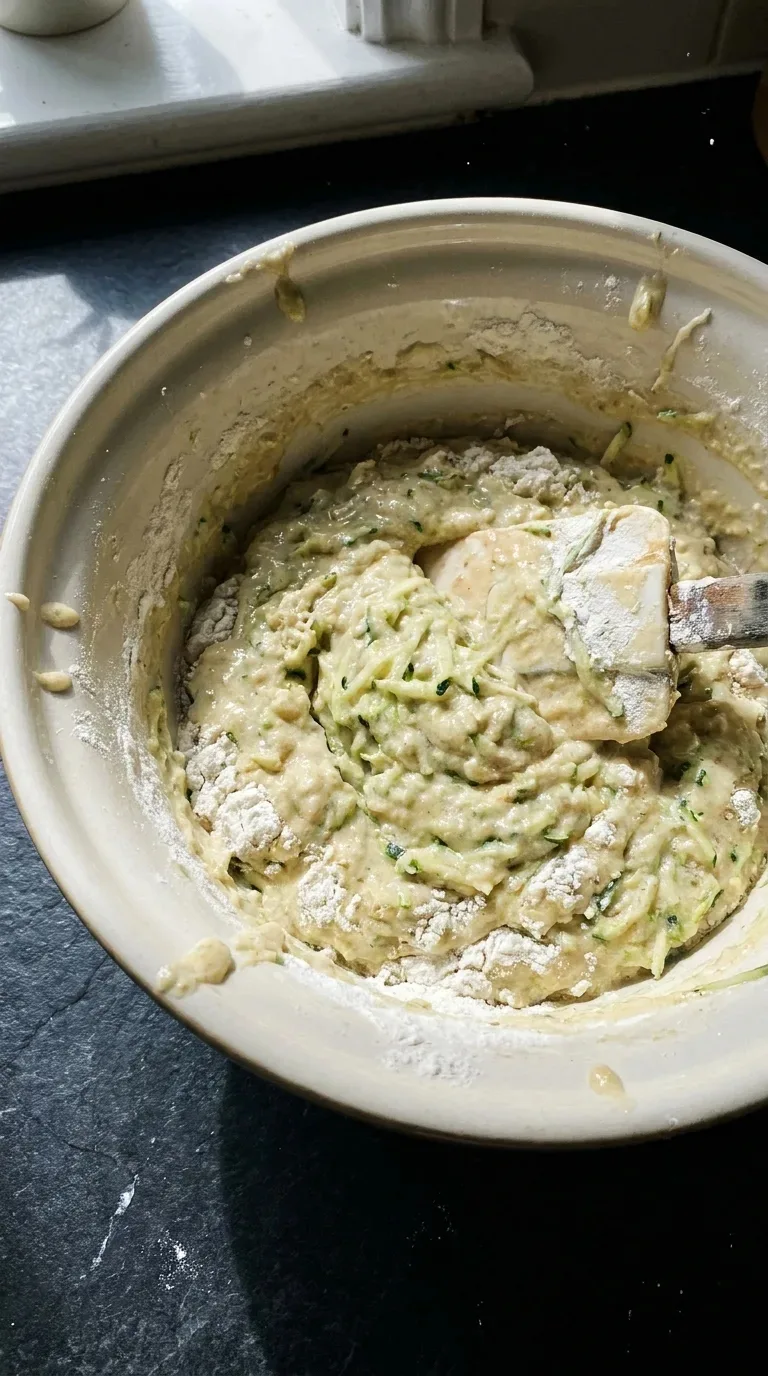
Fold in the grated Parmesan cheese, sea salt and black pepper. Stir until the cheese melts and the mash becomes glossy. Adjust the seasoning to your taste.
Warm your milk and cream before adding them to the potatoes. Cold liquids will cool the mash too quickly, which causes the starch to clump. If you see lumps forming, you have added the liquid too fast or the temperature difference was too great.
What goes wrong and why
The mash becomes gummy when too much surface starch remains on the potatoes. You spot this if the texture feels gluey rather than fluffy. Soak the cubes in cold water for 5 minutes before boiling to remove this starch and ensure a silky finish.
What to serve with it
Pair these potatoes with roasted chicken or grilled steak for a hearty dinner. They also work well with baked salmon fillets. For a vegetarian option, spread the mash over steamed broccoli and add extra ribbons of Parmigiano-Reggiano cheese on top.
Storing and reheating
Keep leftovers in an airtight container in the fridge for up to 4 days. To reheat, use a saucepan over low heat and stir in a splash of milk. You can freeze the mash for 4 weeks, then thaw overnight in the fridge.
Nutrition per serving
- Calories
- 285
- Protein
- 8.4 g
- Carbs
- 26.2 g
- Fat
- 16.1 g
- Fiber
- 2.8 g
- Sugar
- 3.1 g
Estimated, and offered as a guide rather than a medical figure.
Made it? Rate it.
Questions people ask
Can I use a different type of potato
Yes, but Yukon Gold is preferred for its natural creaminess. Use Russets for a fluffier texture or red potatoes for a waxier result. Ensure you cut them into 5 cm cubes for even cooking.
Why must I warm the milk and cream
Warm the liquids to prevent the mash from becoming lumpy. Adding cold milk drops the temperature of the potatoes rapidly, which stops the starch from absorbing the liquid smoothly and ruins the texture.
How do I make this lower in fat
Replace half of the heavy cream with Greek yogurt or mashed avocado. You can also swap half of the butter for olive oil to reduce the saturated fat while keeping the mash creamy.