Lemon Blueberry Cheesecake Cupcakes: American Citrus Dessert
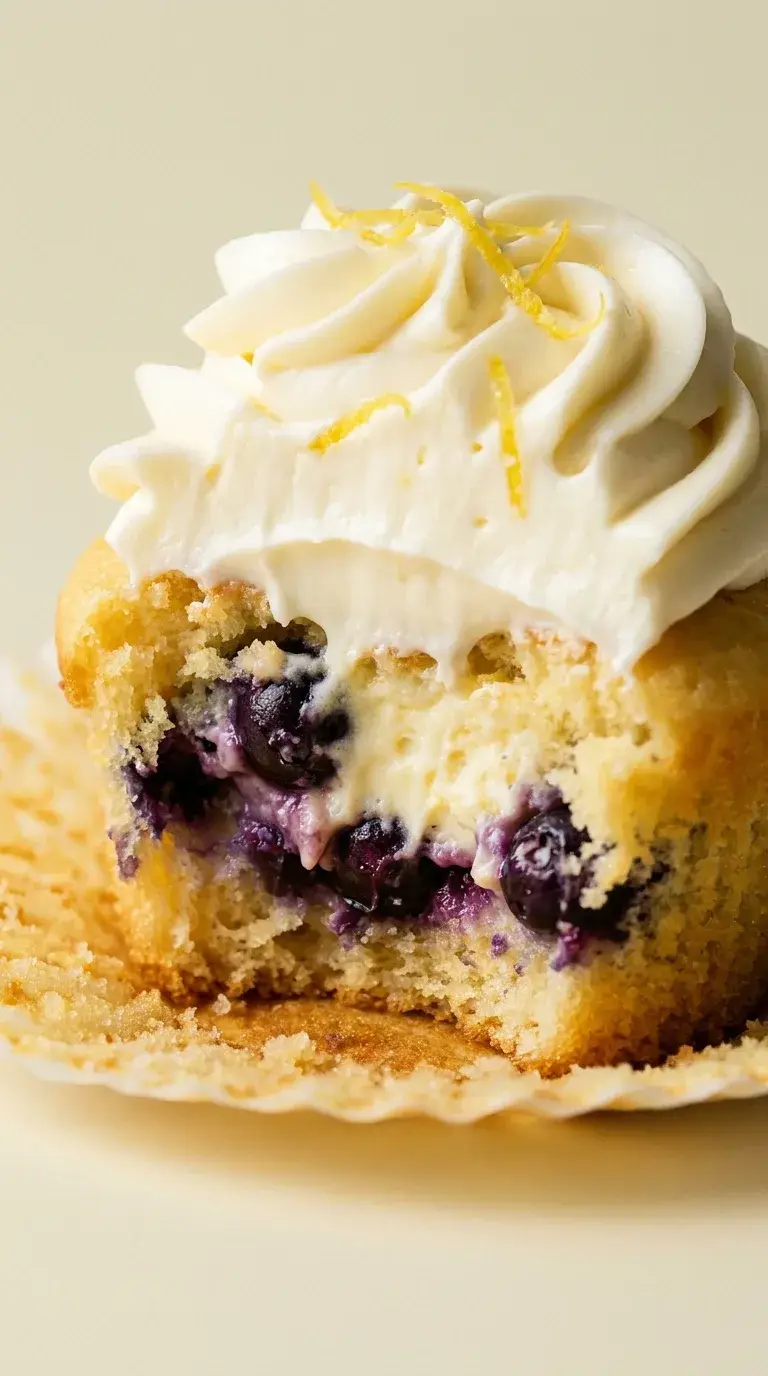
American sponge cakes often rely on heavy creams to achieve a rich texture. This version of lemon blueberry cheesecake cupcakes uses a light batter and a distinct cheesecake core to provide a contrast in density. Sifting the flour and baking powder removes clumps, which ensures the sponge remains airy. You must use a 1 cm-wide chisel spoon to create the void for the filling. This method allows you to keep the cheesecake centre contained without disrupting the structure of the cupcake.
The result is a bright, citrusy treat with a soft centre and a creamy finish. Keep the cream cheese at room temperature before you begin. This step prevents lumps and ensures an even frosting. You must chill the finished cupcakes in the fridge for at least 15 minutes. This sets the frosting and firms the cheesecake filling so the dessert holds its shape when you serve it.
Lemon Blueberry Cheesecake Cupcakes: American Citrus Dessert
Recipe cardIngredients
Watch how it's made
Instructions
-
Prepare the batter
Preheat your oven to 180°C (355°F) and line a 12-cupcake tin. Sift the flour, baking powder and salt to remove clumps and ensure a smooth rise. Beat the butter and sugar until light and fluffy, then add eggs one at a time and stir in the vanilla.
-
Mix and bake
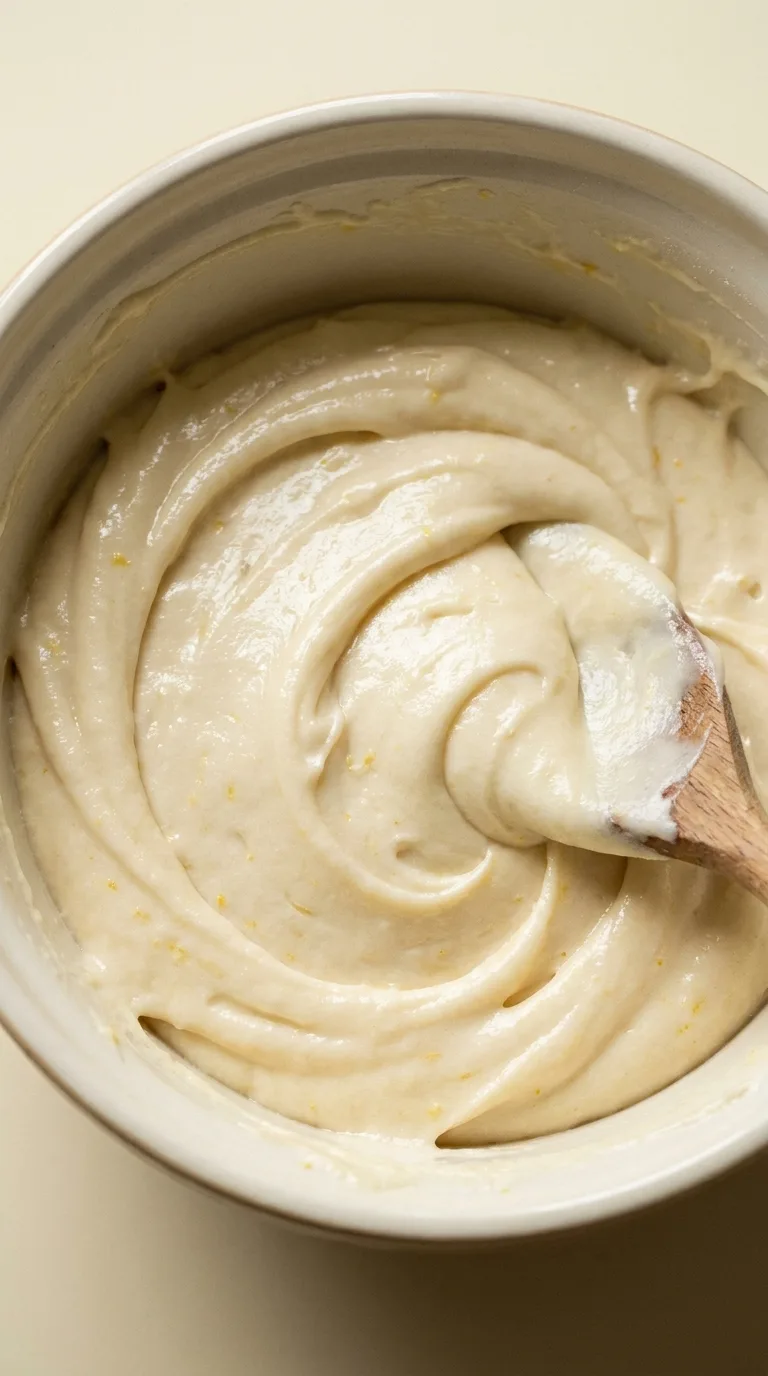
Fold the dry ingredients into the butter mixture, alternating with milk. Mix until just combined to avoid a tough texture. Fill 12 liners one-third full and bake for 18–20 minutes until a toothpick in the centre comes out clean.
-
Make the filling
Whisk the cream cheese, powdered sugar, lemon juice, zest and cornflour. Gently fold in the blueberries and a drizzle of milk. This keeps the berries intact so they do not colour the rest of the mixture.
-
Fill the cakes
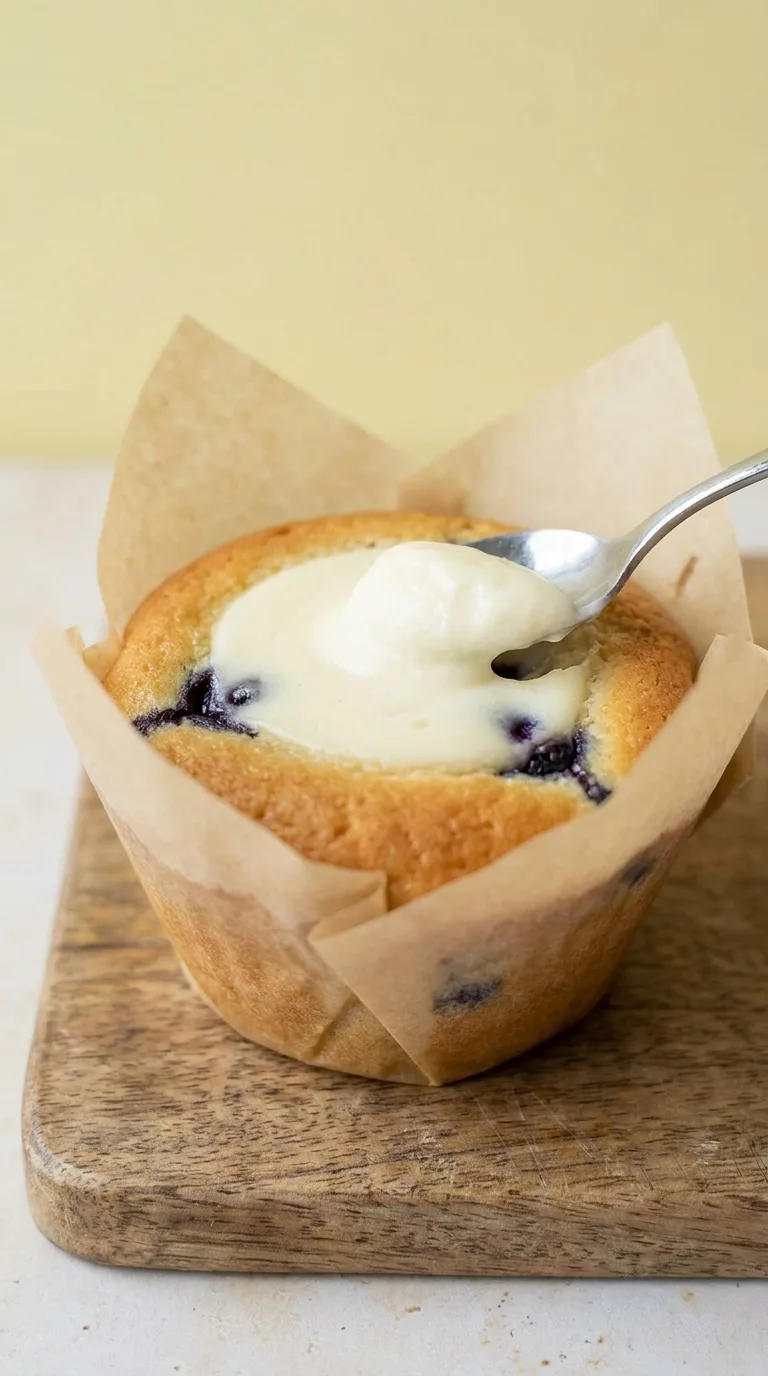
Use a 1 cm-wide chisel spoon to carve a hole in the centre of each cooled cupcake. Spoon in the cheesecake filling until the top is level with the batter surface. This creates a hidden core of cream cheese.
-
Set the centres
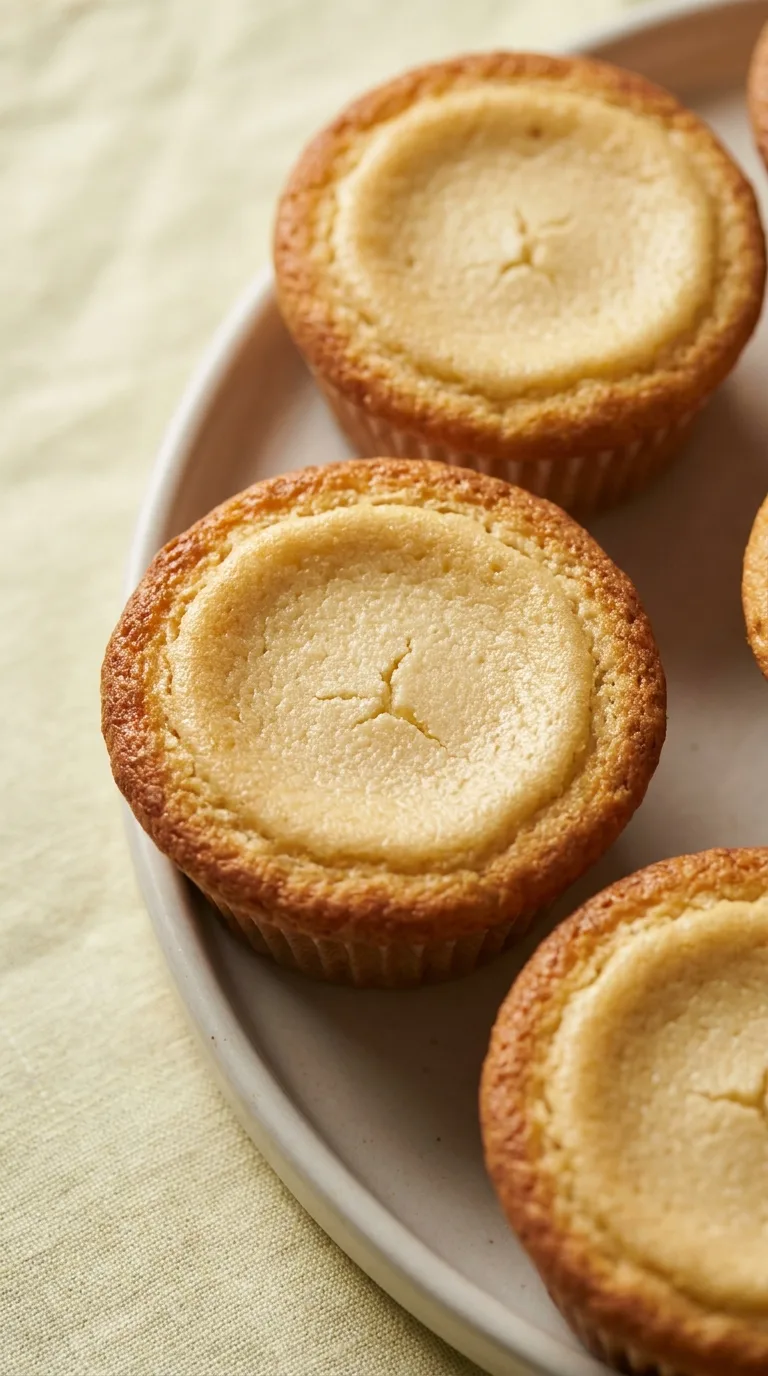
Return the cupcakes to the oven for 10 minutes. The edges should be set while the centre remains slightly soft. This ensures the filling is cooked through without drying out the cake.
-
Frost and chill
Whisk the frosting ingredients until smooth and creamy. Pipe the frosting over the chilled cakes. Refrigerate for at least 15 minutes so the frosting sets and holds its shape.
Ensure your cream cheese is fully softened at room temperature before you start. If the cheese is too cold, you will find lumps in both the filling and the frosting that cannot be whisked out. This results in an uneven texture and a grainy finish on the cupcakes.
How it differs from the traditional method
This method integrates a baked cheesecake centre into a standard sponge, creating a contrast in textures. Traditional cheesecakes are standalone cakes. Use the traditional method if you require a larger, uniform dessert for a crowd rather than individual, portable portions with a citrusy cake base.
Storing and reheating
Store unfrosted cupcakes at room temperature for up to 2 days. Keep frosted cupcakes in the fridge to preserve the dairy texture. Freeze unfrosted cakes in a sealed bag for up to 3 weeks. Thaw them in the refrigerator before you apply the frosting to avoid condensation.
Nutrition per serving
- Calories
- 345
- Protein
- 5.2 g
- Carbs
- 38.4 g
- Fat
- 17.8 g
- Fiber
- 1.1 g
- Sugar
- 26.5 g
Estimated, and offered as a guide rather than a medical figure.
Made it? Rate it.
Questions people ask
Can I use frozen blueberries instead of fresh ones
No. Frozen berries release too much moisture when they thaw, which will make the cheesecake filling watery and cause the cupcakes to sink during the second bake.
Why do I need to coat the blueberries in flour
Coat the berries in flour to minimise bleeding. The flour creates a barrier that prevents the fruit from sinking to the bottom and leaking colour into the filling.
How do I make these gluten-free
Replace the plain flour with a 1:1 gluten-free flour blend. You must add 1 tsp of xanthan gum to the mix to maintain the structure of the sponge.