How to Make Pumpkin Spice Cookies from Scratch – Step‑by‑Step Guide
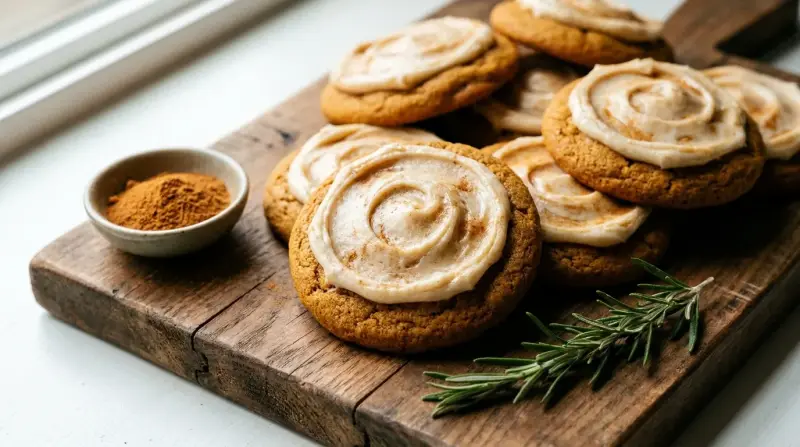
To make pumpkin spice cookies from scratch, combine butter, sugars, pumpkin puree, spices and flour, chill the dough, bake at a moderate temperature until the edges are lightly golden, then frost with a tangy cream cheese icing for a balanced, aromatic treat.
Ingredients and Equipment
Gather the following ingredients measured precisely for consistent results:
- 150 g unsalted butter, softened
- 100 g granulated white sugar
- 150 g light brown sugar, packed
- 2 large egg yolks, at room temperature
- 10 ml pure vanilla extract
- 120 ml canned pumpkin puree (about one half cup)
- 1 tsp pumpkin pie spice (approximately 2 g)
- 1 tsp ground cinnamon (2 g)
- ½ tsp ground ginger (1 g)
- ¼ tsp ground cloves (0.5 g)
- ¼ tsp ground nutmeg (0.5 g)
- 240 g all‑purpose flour
- ½ tsp baking soda
- ½ tsp baking powder
- ¼ tsp salt
- 120 g cream cheese, softened
- 60 g powdered sugar, sifted
- 5 ml lemon juice
Equipment needed includes a stand mixer or hand mixer, two large bowls, a rubber spatula, a baking sheet, parchment paper, a wire rack, and a kitchen scale for accuracy.
Preparing the Pumpkin Puree and Spices
Drain the canned pumpkin onto a plate and blot gently with a paper towel to remove excess moisture; this prevents the cookies from becoming overly soggy. Transfer the drier puree to a small bowl and whisk in the pumpkin pie spice, cinnamon, ginger, cloves and nutmeg until the mixture is evenly coloured and aromatic. The warm spices will distribute evenly when mixed into the dough, ensuring each bite carries the characteristic flavour.
Mixing the Dough
In the bowl of a stand mixer, beat the softened butter with the granulated and brown sugars on medium speed for 2–3 minutes, until the mixture is pale and fluffy. Scrape down the sides halfway through to guarantee uniform incorporation.
Add the egg yolks one at a time, beating briefly after each addition, then pour in the vanilla extract. Continue mixing for another minute.
Stir the spiced pumpkin puree into the butter‑sugar mixture using a rubber spatula, folding until the colour is uniform and no streaks remain.
In a separate bowl, whisk together the flour, baking soda, baking powder and salt. Gradually add the dry ingredients to the wet mixture on low speed, mixing just until the flour disappears. Over‑mixing develops gluten, leading to a tougher cookie.
Cover the dough with plastic wrap and chill in the refrigerator for at least 30 minutes; a cooler dough spreads less during baking, giving a thicker, softer centre.
Baking the Cookies
Pre‑heat the oven to 180 °C (350 °F) and line a baking sheet with parchment paper. Using a tablespoon or a small ice‑cream scoop, portion the dough into 5‑centimetre (2‑inch) balls, placing them 5 cm (2 in) apart to allow room for spreading.
For an extra touch, lightly roll each ball in a mixture of granulated sugar and a pinch of additional pumpkin spice before placing on the sheet; this creates a delicate crackled surface.
Bake for 10–12 minutes, rotating the sheet halfway through. The cookies are ready when the edges are set and just beginning to turn golden, while the centres remain slightly soft. Remove from the oven and let them cool on the sheet for 2 minutes, then transfer to a wire rack to finish cooling.
While the biscuits cool, prepare the cream cheese frosting. Beat the softened cream cheese with the powdered sugar on low speed until smooth, then add the lemon juice and a tiny pinch of salt. Increase to medium speed and whip for 30 seconds until the frosting is light and spreadable. Spread a generous dollop on each cooled cookie, allowing the frosting to set slightly before serving.
Troubleshooting Common Problems
Cookies spread too much
If the cookies flatten into thin discs, the dough was likely too warm or the butter was overly soft. Chill the dough for an additional 20–30 minutes and ensure the butter is only softened, not melted. Using a higher ratio of flour (increase by 10 g) also stabilises the dough.
Cookies are dry or hard
Dry texture often results from over‑mixing or excess flour. Mix only until the flour disappears and weigh the flour to avoid packing. If the dough feels crumbly, add a teaspoon (5 ml) of milk or a splash of orange juice to restore moisture.
Frosting cracks or runs
Cracking occurs when the frosting is too cold; allow the cream cheese to sit at room temperature for 15 minutes before beating. If the frosting runs, it is too warm; refrigerate for 5 minutes and then re‑whip to regain thickness.
Flavour is muted
Under‑spiced cookies can be remedied by adding an extra ¼ tsp of pumpkin pie spice to the dough and a pinch of cinnamon to the frosting. Toasting the spices briefly in a dry pan for 30 seconds before adding releases volatile oils, intensifying the aroma.
Storing and Freezing
Store the finished cookies in an airtight container at room temperature for up to five days; the cream cheese frosting keeps them moist. For longer storage, place a layer of parchment between each cookie and freeze for up to three months. Thaw at room temperature for 30 minutes before enjoying. For detailed freezing instructions, see the guide “Can You Freeze Pumpkin Spice Cookies? The Complete Guide”.
If you are curious about the nutritional profile, the article “Are Pumpkin Spice Cookies Healthy? A Nutritional Breakdown” explains the calorie count, sugar content and potential ingredient swaps for a lighter version.
For a complete, printable recipe card of Pumpkin Spice Cookies: Spiced Biscuits with Frosting, scroll just below this article and download or print the card for easy reference while you bake.
Keep reading
- Pumpkin Spice Cookies: Spiced Biscuits with Frosting
- Can You Freeze Pumpkin Spice Cookies? The Complete Guide
- Are Pumpkin Spice Cookies Healthy? A Nutritional Breakdown
Frequently asked questions
Can I use fresh pumpkin instead of canned?
Yes, freshly roasted pumpkin can replace canned puree; roast, mash and strain to remove excess water, then measure the same 120 ml amount. The fresh flavour will be slightly earthier.
Do I have to chill the dough?
Chilling is recommended for shape retention, but if you are short on time you can bake immediately; the cookies will spread more and be thinner.
Can I swap the cream cheese frosting for a dairy‑free version?
Replace cream cheese with a plant‑based cream cheese alternative and use powdered coconut sugar instead of regular powdered sugar; the texture remains similar.
What is the ideal internal temperature for a baked cookie?
Cookies are safe to eat once the centre reaches about 70 °C (158 °F), indicating the fats have set and any raw egg yolk is fully cooked.
How long can I keep the cookies frozen?
Cookies retain quality for up to three months in a freezer‑grade bag; beyond that they may develop freezer burn and lose flavour.
Printable recipe card: Pumpkin Spice Cookies: Spiced Biscuits with Frosting
Save it, print it, or keep it on your phone while you cook.
Loading the recipe card…