Festive Shortbread Logs: Buttery Holiday Biscuits
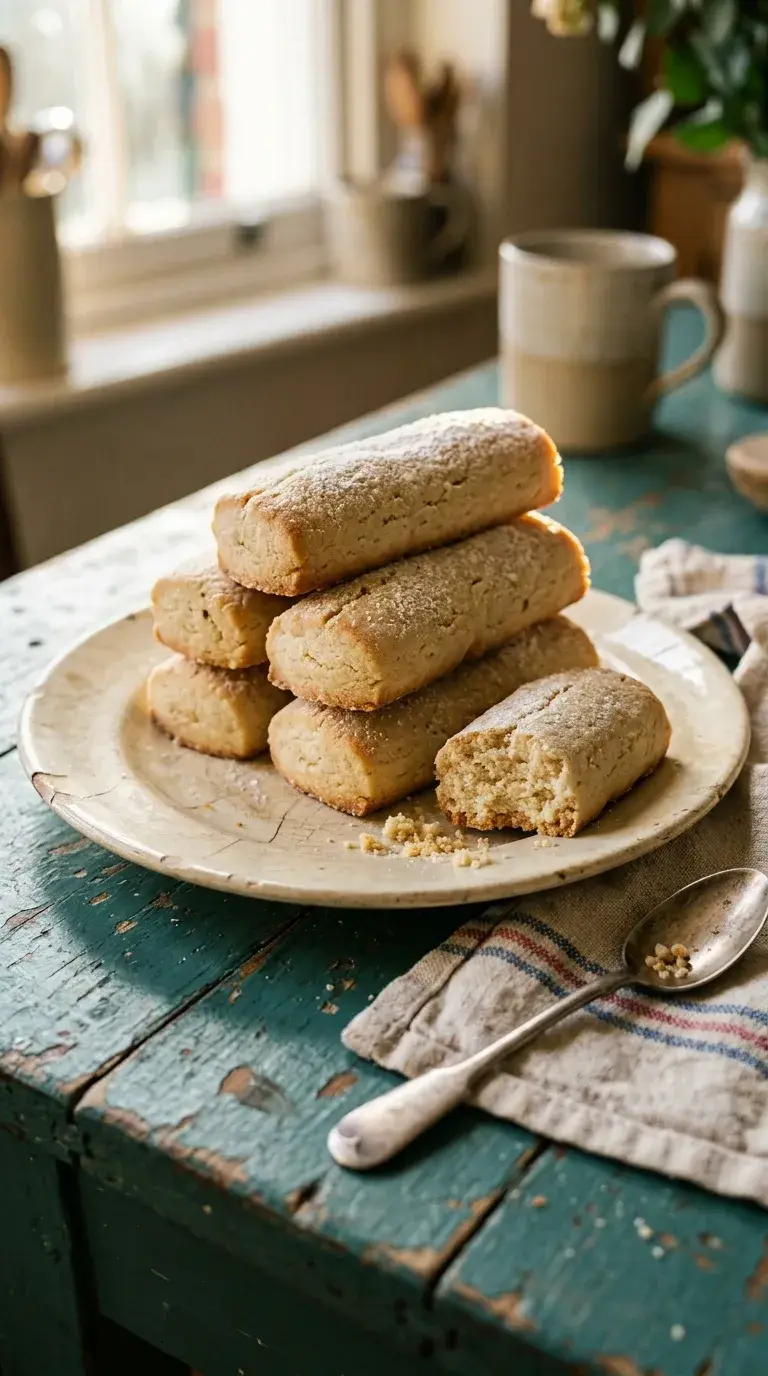
Shortbread typically relies on a high ratio of butter to flour to achieve its signature snap. These festive shortbread logs depart from individual cookie shaping by forming the dough into a single mass before baking. Use this method to ensure a consistent thickness across all 36 logs. Sift the flour and salt together to remove lumps, which ensures the dough remains smooth and avoids pockets of dry flour in the finished bake.
The result is a dense, savoury-sweet biscuit with a golden brown edge. You must chill the dough in the refrigerator for 30 minutes before it enters the oven. This step firms the butter, which limits spread and preserves the log shape during the 12 to 14 minutes of baking. Once you let the log rest on the sheet for 5 minutes, you can slice it into clean, half-inch pieces without crumbling the delicate crumb.
Festive Shortbread Logs: Buttery Holiday Biscuits
Recipe cardIngredients
Watch how it's made
Instructions
-
Prepare the oven
Preheat your oven to 163 °C (325 °F). Line a 23x33 cm (9x13-inch) baking sheet with parchment paper. This ensures the buttery dough does not stick to the metal.
-
Cream butter and sugar
Beat the softened butter and powdered sugar on medium speed for 2 minutes. Continue until the mixture is light and fluffy. Beat in the vanilla extract for another minute to ensure the flavour is evenly distributed.
-
Mix the dough
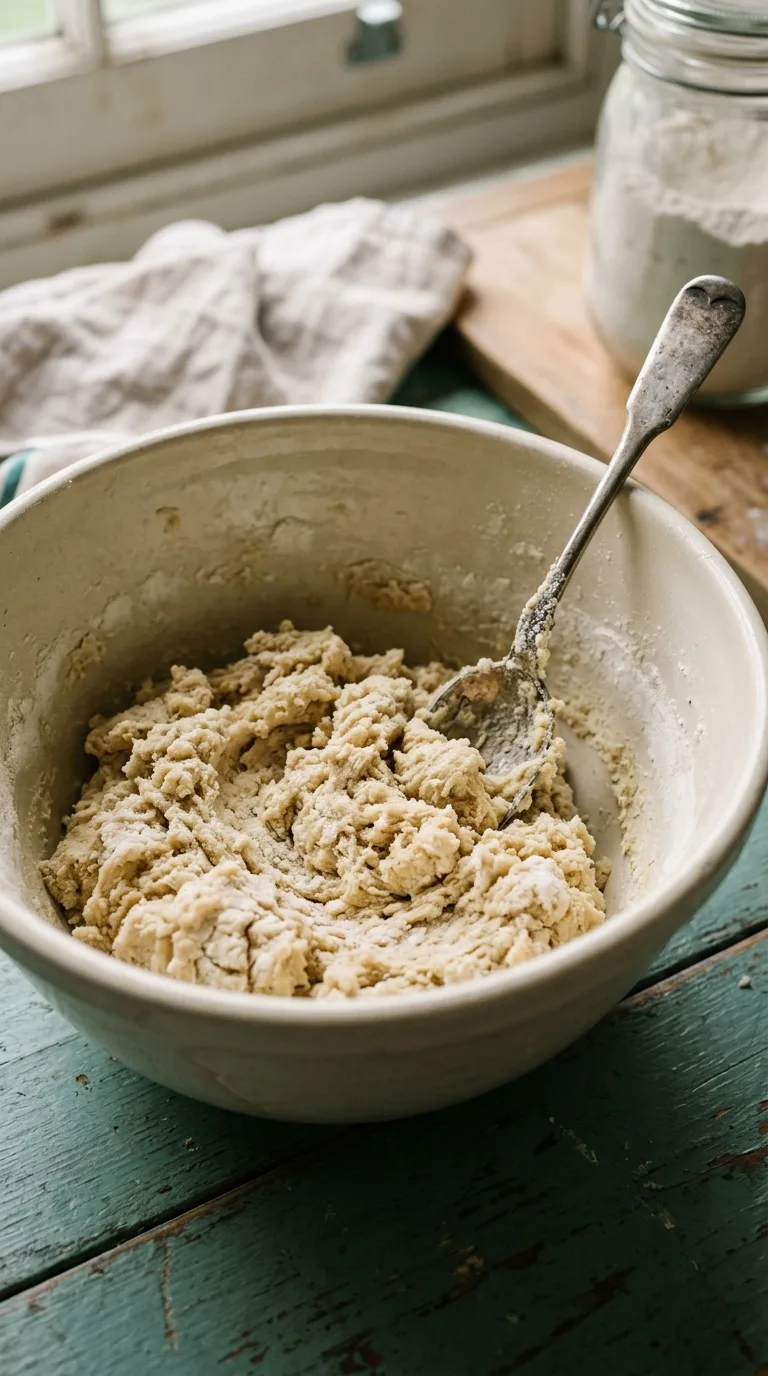
Sift the flour and salt together in a separate bowl. Fold the dry mixture into the butter until the dough just comes together. Do not over-mix, as this can develop too much gluten and toughen the shortbread.
-
Shape and chill
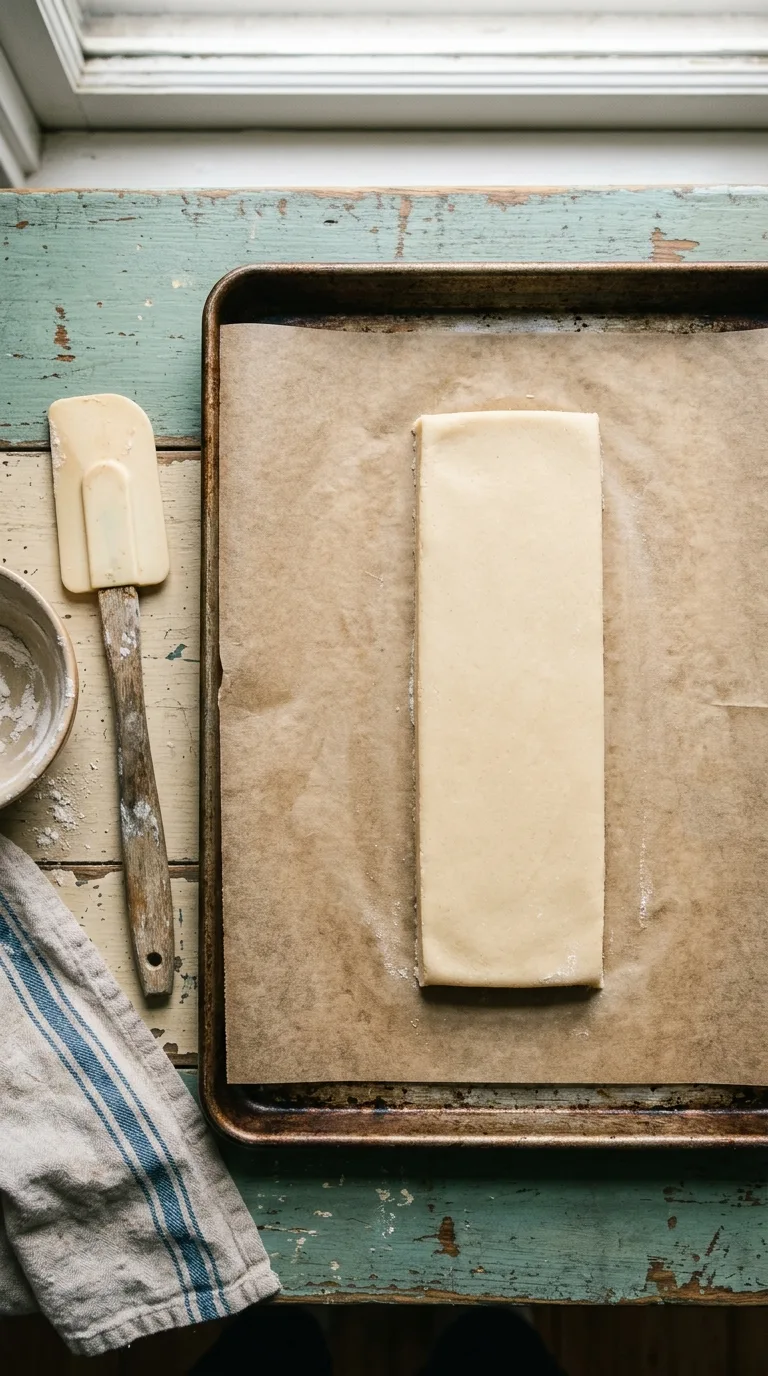
Press the dough onto the parchment using a rubber spatula into a log of 7.6x25.4 cm (3x10-inch) and 1.3 cm (1/2-inch) thickness. Cover with plastic wrap and chill in the refrigerator for 30 minutes. Chilling firms the fats to prevent the log from spreading in the oven.
-
Bake the log
Bake the log for 12–14 minutes. Watch for the edges to turn just golden brown. Avoid over-browning to maintain the delicate colour and buttery taste.
-
Cool and slice
Let the log rest on the sheet for 5 minutes to set. Transfer it to a cooling rack and slice into 1.3 cm (1/2-inch) thick logs. You should obtain roughly 36 pieces.
-
Finish and serve
Dust the logs with powdered sugar or drizzle the optional glaze over them for extra sweetness. Serve these treats warm or at room temperature.
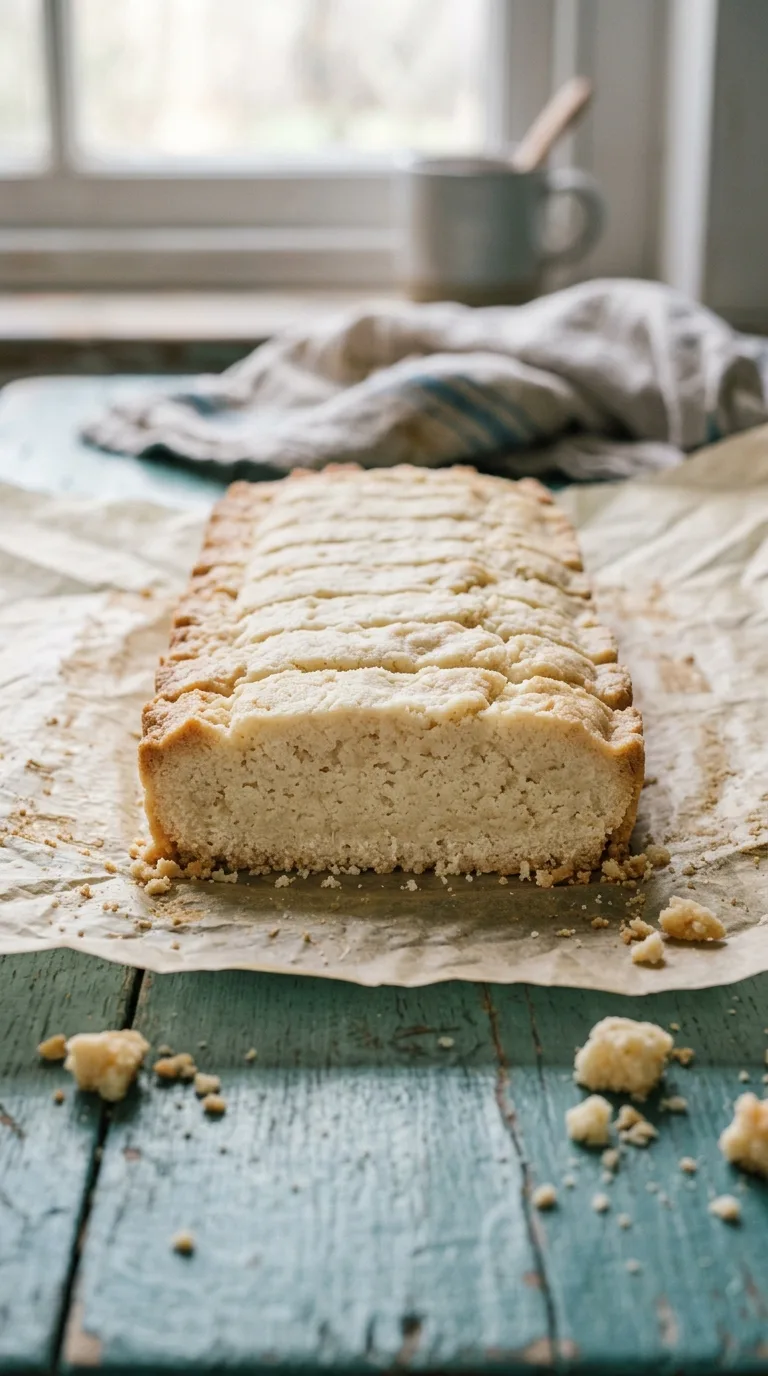
Ensure you chill the dough thoroughly before baking. If the dough feels too soft, it will spread across the tray, losing its log shape and resulting in flat cookies rather than structured logs. Watch the edges closely; once they turn golden, remove them immediately to prevent a burnt flavour.
How it differs from the traditional method
The log shape provides a consistent bake and a clean slice compared to individual rounds. This method ensures an even distribution of heat across the dough. Stick to the traditional round cut if you require a more rustic appearance or wish to avoid the chilling step needed for logs.
What to serve with it
Pair each log with a cup of hot tea or a creamy hot chocolate to balance the richness of the butter. You may also drizzle a light honey glaze and sprinkle toasted almond slivers on top for a nutty finish or dust them with cocoa powder for a chocolatey twist.
Nutrition per serving
- Calories
- 138
- Protein
- 2.1 g
- Carbs
- 11.5 g
- Fat
- 9.2 g
- Fiber
- 0.3 g
- Sugar
- 5.1 g
Estimated, and offered as a guide rather than a medical figure.
Made it? Rate it.
Questions people ask
What is the 3:2:1 rule for shortbread?
It is a ratio of three parts flour, two parts butter, and one part sugar by weight. This balance ensures the characteristic crumbly texture and rich flavour by maintaining a specific proportion of fat to flour.
When making shortbread, what must you not do?
Do not over-mix the dough after adding the flour. Over-working the gluten develops a toughness that ruins the delicate, melt-in-the-mouth texture essential for a successful shortbread log.
What's the difference between Scottish shortbread and normal shortbread?
Scottish shortbread typically uses a higher proportion of butter and often omits leavening agents entirely. This results in a denser, more buttery biscuit compared to standard shortbread recipes that may include eggs or baking powder.