As the frost thaws and the days grow longer, the culinary world undergoes a beautiful, vibrant transformation. We eagerly trade the heavy, spiced, and dark chocolate desserts of winter for something much lighter, brighter, and undeniably fresh. Welcome to the captivating world of spring cake designs, where the season’s natural, blossoming beauty serves as the ultimate inspiration for bakers everywhere. Whether you are browsing for elegant spring cake designs for a grand wedding or simply whipping up a weekend treat, capturing the airy essence of spring on a cake tier is a joyful and creative endeavor that delights both the eyes and the palate.
To truly master this seasonal shift and create breathtaking spring cake designs, your seasonal baking must reflect the bounty of the earth as it wakes up. This means prioritizing a vibrant palette of flavors that rely heavily on the juiciest spring seasonal fruits available at your local farmers’ market. But the magic certainly doesn’t stop at flavor; the visual presentation is equally crucial in capturing that fresh energy. Incorporating natural botanical elements into your spring cake designs is a massive trend right now, though it requires a bit of research to ensure you are safely foraging and only using safe edible flowers for cakes to adorn your delicious creations.
Beyond fresh florals, achieving stunning spring celebration cakes requires a delicate blend of traditional baking skills and modern artistic flair. From the rustic charm of a semi-naked cake to the high-end elegance of fondant creations, your chosen techniques will define your final spring cake designs.
If you want to create classic buttercream blooms from scratch, mastering a few essential piping techniques is absolutely fundamental to your success. In this comprehensive guide, we will explore everything you need to know about spring cake designs, from zesty flavor profiles to cutting-edge decorating styles and foolproof DIY tips.
Table of Contents
The Aesthetics of Spring Baking: Why Design Matters
The transition into spring isn’t just about changing temperatures; it significantly impacts our visual and psychological preferences. During the winter, we gravitate toward dark, moody aesthetics and rich, dense textures. In contrast, the spring aesthetic is all about renewal, light, and organic energy.
When planning your spring cake designs, this psychological shift dictates our design choices in several ways:
- Color Palettes: We naturally crave soft, pastel food coloring tones like blush pink, mint green, baby blue, and butter yellow, which mimic the early blooming flowers.
- Textures: Heavy, thick layers are replaced with airy, whipped buttercream frosting and delicate sugar paste details to create lighter spring cake designs.
- Form: Rigid, perfectly sharp edges often give way to softer, more organic shapes that reflect the untamed beauty of a spring garden.
Ultimately, the most successful spring cake designs don’t just taste good; they evoke the warmth, optimism, and fresh breeze of the season.
Top Spring Cake Flavors & Seasonal Ingredients
A cake must taste as good as it looks, especially when planning intricate spring cake designs. The foundation of any memorable dessert is its flavor profile. Spring calls for ingredients that are bright, refreshing, and slightly tart to awaken the palate.
Zesty Lemon and Bright Citrus
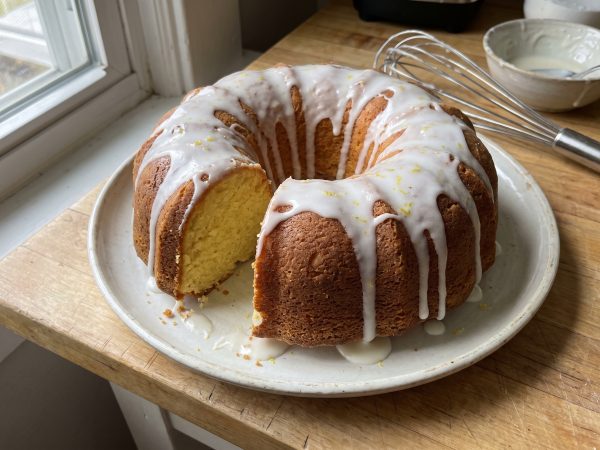
Citrus is the undisputed king of early spring baking. The sharp, acidic bite of a lemon drizzle cake perfectly cuts through the richness of a standard vanilla sponge.
- Orange Creamsicle: Combining fresh orange zest with a light vanilla bean buttercream creates a nostalgic, creamy flavor.
- Lime and Coconut: For a slightly tropical twist as spring warms up, lime zest paired with toasted coconut flakes offers a refreshing bite.
- Lemon Curd Fillings: Swirling tangy homemade lemon curd between cake layers provides a delightful, hidden surprise that elevates the entire dessert.
Fresh Berries and Stone Fruits
As the season progresses, nature provides a colorful array of sweet and tart fruits that double as both flavor enhancers and beautiful garnishes for spring cake designs.
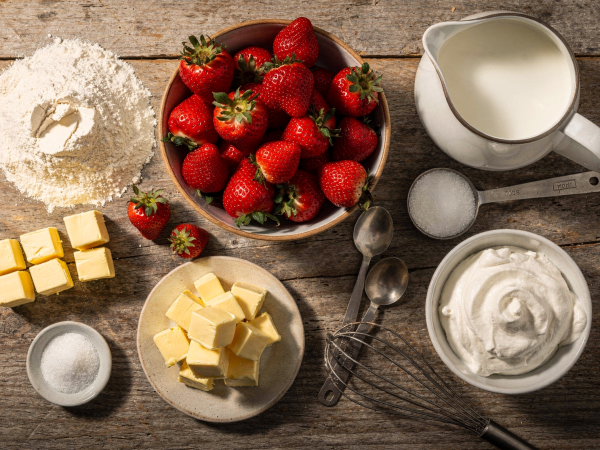
- Strawberries: A classic strawberry shortcake concept, reimagined as a towering layer cake, is always a crowd-pleaser.
- Rhubarb: This tart vegetable-treated-as-a-fruit is a springtime staple. When roasted or boiled down into a compote, rhubarb pairs beautifully with sweet strawberry or vanilla layers.
- Early Cherries: Incorporating chopped, fresh cherries into a light almond sponge creates a sophisticated, fragrant flavor profile.
Floral Infusions
To make a cake taste exactly like a spring garden, bakers are increasingly turning to floral infusions to complement their spring cake designs.
- Lavender: When used sparingly, culinary lavender buds steeped in milk can impart a sophisticated, calming flavor to your sponge or frosting.
- Elderflower: Often paired with lemon, elderflower cordial adds a sweet, slightly musky floral note that is incredibly popular for wedding and garden party centerpieces.
- Chamomile & Rose Water: Chamomile infused cakes offer a soothing, honey-like taste, while a few drops of high-quality rose water can transform a simple buttercream frosting into a luxurious treat.
Masterful Floral Cake Designs for Spring
Nothing says spring quite like flowers. Whether you prefer the realism of nature or the artistry of sugar, there are multiple ways to incorporate floral cake art into your spring cake designs.
Decorating with Fresh Edible Flowers

For those seeking a wildly romantic, cottage-core baking aesthetic, nothing beats the real thing. Utilizing edible flowers for your spring cake designs requires a gentle touch and an eye for natural arrangement.
- Best Varieties: Safe, in-season options include pansies, violas, chamomile daisies, nasturtiums, and baby’s breath.
- Preparation: Always wash flowers gently and wrap the stems in floral tape or dip them in piping gel before inserting them into the cake to prevent any sap from leeching into the dessert.
- Application: You can press crystallized petals flat against a crumb coat or arrange whole blossoms in a cascading crescent moon shape down the side of a tiered cake.
Piping Buttercream Blossoms

If you prefer a fully edible masterpiece, piping buttercream blossoms is a classic technique that never goes out of style for spring cake designs.
- Essential Tools: You will need a variety of nozzles, specifically a petal piping tip (like a Wilton 104) and a leaf tip.
- Technique: By utilizing a flower nail and small squares of parchment paper, you can pipe intricate roses, cheerful daffodils, and delicate cherry blossoms. Once piped, freeze the flowers until solid before placing them on the cake.
- Color Blending: To make piped flowers look realistic, stripe your piping bag with two different shades of pastel food coloring (e.g., pale pink and white) to give the petals natural depth.
Fondant and Sugar Paste Florals

For highly formal events like late-spring weddings or upscale Mother’s Day desserts, bakers often turn to fondant and sugar paste for their spring cake designs.
- Hyper-Realism: Unlike buttercream, sugar paste can be rolled paper-thin and shaped with specialized veining tools to create hyper-realistic petals and leaves.
- Durability: Fondant flowers hold their shape perfectly in warmer room temperatures, making them ideal for outdoor events where buttercream might melt.
Modern Decorating Styles and Trends
Modern spring cake designs have evolved far beyond traditional piping. Today’s bakers embrace textures and techniques that feel breezy and effortless.
The Naked and Semi-Naked Cake Look

The naked cake and semi-naked cake trends are absolutely perfect for spring cake designs. By leaving the vanilla sponge or chocolate layers exposed, you create a rustic, earthy vibe.
- The Technique: Apply a very thin layer of buttercream—known as a crumb coat—and use a bench scraper to remove the excess, allowing the cake layers to peek through.
- Why It Works: It feels less heavy and sugary than a fully frosted cake, aligning perfectly with the lighter diets and aesthetics of the spring season.
Abstract Painted Buttercream Art
If you view your cake as a blank canvas, palette knife painting is one of the most exciting trends for spring cake designs.
- The Method: Using a small offset spatula or painting palette knives, bakers smear thick dabs of colored buttercream directly onto a chilled cake tier.
- The Result: You can create abstract, impressionistic floral cake art that looks like a beautiful oil painting. Bold brushstrokes of teal, coral, and mustard yellow make for a stunning, modern centerpiece.
Botanical Sheet Cakes

Sheet cakes have made a massive comeback. Instead of being viewed as basic grocery store staples, they are now canvases for elaborate spring cake designs.
- Design Focus: Bakers pipe intricate, flat botanical illustrations, winding vines, and intricate fruit wreaths across the flat, expansive top of the cake.
- Practicality: They are incredibly easy to serve at large outdoor gatherings and offer a wide surface area for creative storytelling through icing.
Thematic Spring Cake Concepts and Occasions
Spring is packed with holidays and gatherings that deserve specialized spring cake designs.
Easter Creations
Easter cake ideas often lean into whimsical, playful imagery.
- The Bird’s Nest: Pipe toasted coconut or chocolate ganache to look like a nest on top of the cake, filling the center with pastel candy eggs.
- Speckled Egg Effect: To achieve a stunning speckled egg effect, mix a small amount of cocoa powder with vanilla extract and flick it onto a smooth, pale blue buttercream frosting using a stiff, clean paintbrush.

Mother’s Day Elegance
For Mother’s Day desserts, the goal for your spring cake designs is usually refined elegance.
- Berry Wreaths: Arrange fresh, glazed raspberries and blackberries in a minimalist ring around the top edge of a tall, pristine white layer cake.

- Lace and Pearls: Use edible lace mats or carefully placed sugar pearls to add a touch of vintage, sophisticated charm.

Garden Party Centerpieces

Outdoor gatherings call for garden party centerpieces that celebrate nature.
- Woodland Elements: Incorporate chocolate twigs, dripping ganache, and scattered fresh berries for a magical, forest-floor aesthetic.
- Loose Placement: Avoid rigid symmetry. Let a few edible flowers or berries fall naturally to the base of the cake stand for an organic, effortless look.
Essential Tools for Executing Spring Designs
Having the right hardware is just as important as having the right recipe. To execute these spring cake designs flawlessly, ensure your kitchen is stocked with the following:
- A Heavy-Duty Turntable: Essential for getting smooth sides and even borders.
- Offset Spatulas: You will need both a large spatula for frosting tiers and a small offset spatula for delicate palette knife painting.
- Piping Tips: Stock up on basic round tips, a petal piping tip, and a V-shaped leaf tip.
- Gel Food Coloring: Always use high-quality gel colors rather than liquid drops. Gels are concentrated, allowing you to achieve soft, authentic pastel food coloring without adding excess liquid that could ruin your frosting’s consistency.
DIY Decorating Tips for Home Bakers
You don’t need to be a professional pastry chef to create beautiful spring cake designs right at home.
Achieving Organic Placement
When placing fruits, macarons, or edible flowers on a cake, amateurs often make things look too symmetrical.
- The Rule of Odds: Always group items in odd numbers (groups of 3, 5, or 7).
- Clustering: Rather than spacing elements evenly around the cake, create one large, dense focal cluster of decorations on one side, and a smaller, secondary cluster diagonally opposite. This creates a natural, flowing visual balance.
Stabilizing Frosting
Late spring often brings warmer, more humid weather, which is the enemy of buttercream frosting and delicate spring cake designs.
- Meringue Buttercreams: Swap out standard American buttercream for a Swiss or Italian meringue buttercream, which holds up much better in the heat.
- Chilling: Work in stages. Frost the cake, chill it for 20 minutes to let it set, and then proceed with adding your heavy decorations to prevent them from sliding down the sides.
Frequently Asked Questions (FAQs)
What are the most popular cake flavors for spring? The most popular flavors shift away from dense winter spices toward light, vibrant profiles. Lemon, strawberry shortcake, delicate vanilla bean, lavender-infused sponges, and tart rhubarb are all incredibly popular choices that complement fresh spring cake designs.
How do you safely prepare fresh flowers for a cake? First, ensure you are sourcing pesticide-free, edible flowers. Wash them gently with cold water and let them air dry completely. Never stick a raw stem directly into a cake; always wrap the stems tightly in green floral tape or insert them into small plastic water picks hidden within the cake.
What is the secret to a perfect naked cake? The secret to a beautiful semi-naked cake or naked cake is temperature control and a good bench scraper. You must apply a crumb coat to a chilled cake, then scrape firmly with a metal scraper while spinning your turntable. This removes the excess frosting evenly, exposing the beautiful vanilla sponge beneath without tearing it.
How far in advance can I decorate a spring cake with fresh fruit? Fresh fruit is highly perishable and prone to weeping juices. You should add cut fresh berries and herbs to your cake just a few hours before you plan to serve it. This prevents the natural fruit juices from bleeding into your pristine buttercream frosting and keeps your spring cake designs looking flawless.
Conclusion
Embracing the shift into spring cake designs is one of the most rewarding experiences for any baker. It is a season that actively encourages creativity, allowing you to play with vibrant pastel food coloring and zesty local ingredients to bring the outdoors straight to your dessert table.
Whether you try palette knife painting or opt for an elegant naked cake adorned with fresh berries, the key is keeping things light and joyful. Don’t be afraid to experiment with seasonal baking techniques and local botanicals to master your own unique spring cake designs.
What are your favorite flavor combinations? Let us know in the comments below and share your blossoming culinary creations!